More Than Just a Camera and a Mic
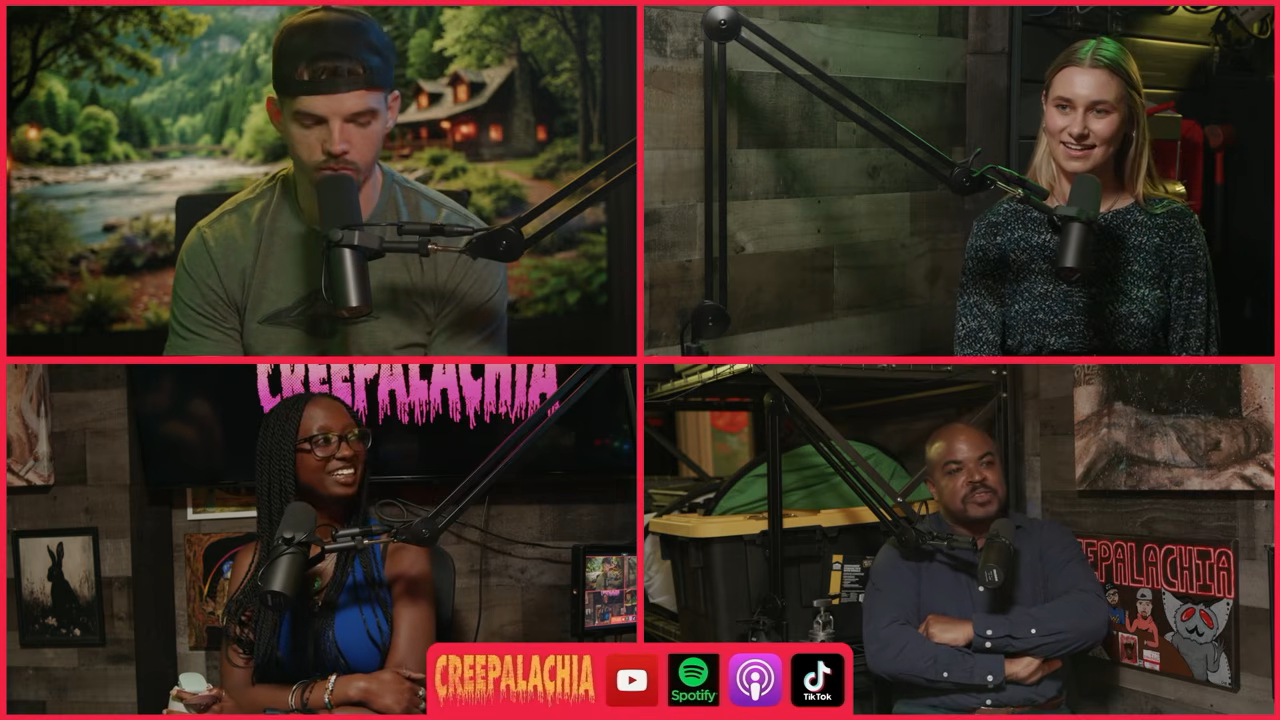
Local news in Appalachia is not just about reading a teleprompter; it is about being a megaphone for communities that often feel ignored. For reporters like Megan Bailey and Zaria Stovall, the job is deeply personal because they live in the same towns they cover. Whether they are investigating long-term water quality issues in McDowell County or calling out officials for crumbling infrastructure, these journalists see themselves as advocates for the unheard. They view their role as facilitators who present the facts so the audience can act as the judge.
“The thing I love the most about journalism is getting to be a voice for people. A lot of times, many people feel like their problems, whether they’re big or small problems, don’t matter, and it’s my job to come in and tell them it does matter and I’m going to tell as many people as I can about it because I’ve been gifted with this proverbial soap box to do so.”
Racing the Clock to “Make Slot”
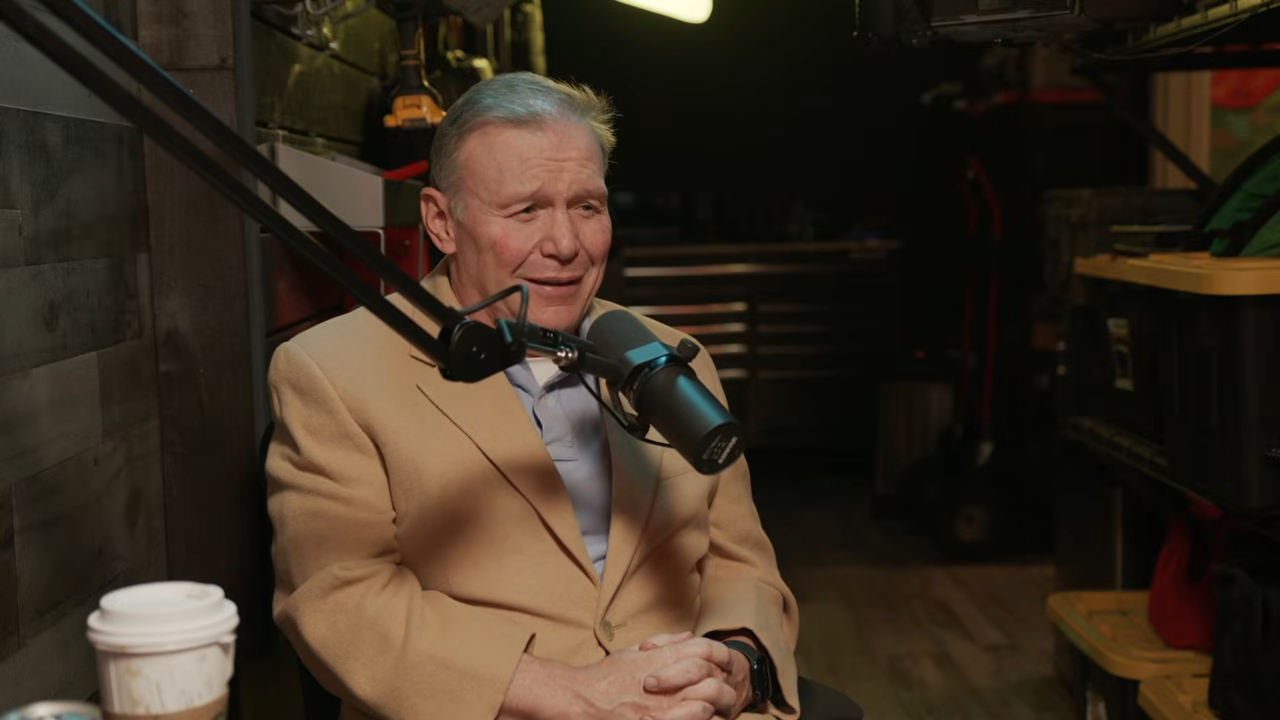
The life of a local reporter is a high-speed balancing act known as being a “one-man band” or a multimedia journalist. These professionals are out in the field filming, editing, and writing their own stories, often juggling two or three assignments in a single six-hour window. The ultimate goal is to “make slot,” which means getting the story ready before the broadcast begins. If a reporter misses their slot, the anchor is left to ad-lib live on air to fill the empty minutes, a situation Joshua Bolden describes as one of the most nerve-wracking parts of the gig.
“The 5:00 news is going to arrive one way or the other. The 6 p.m. news is going to arrive one way or the other whether your story is done or not, and so that is the stressful part of it. And knowing that you’ve helped somebody makes it all worth it.”
Mountain State Hospitality and Pig Sounds
Despite the heavy stories and tight deadlines, the connection to the community keeps the team grounded. The reporters frequently experience the legendary generosity of West Virginians and Virginians who will offer them the shirts off their backs or, more likely, a takeout box of food. When the cameras are off, the team stays close by decompressing together and sharing hidden talents. In one hilarious moment, Megan revealed she can make realistic pig sounds in three different ways, a skill that once even startled the station’s general manager. This blend of deep empathy for the region and lighthearted camaraderie is what makes the WVVA newsroom feel like a family.
“I always get reminded of the resilience of Appalachians and how they are always able to, pardon my French, but come hell or high water, they’re always able to just rise above and build back stronger. We’re all one big Appalachian family truly, genuinely.”
Ready to see Megan’s legendary pig impressions or hear the full story of the Gary bridge? Catch the full conversation and get a real look at the hearts behind the headlines in the original video.