
The Deep Drop: Life as a Red Hat
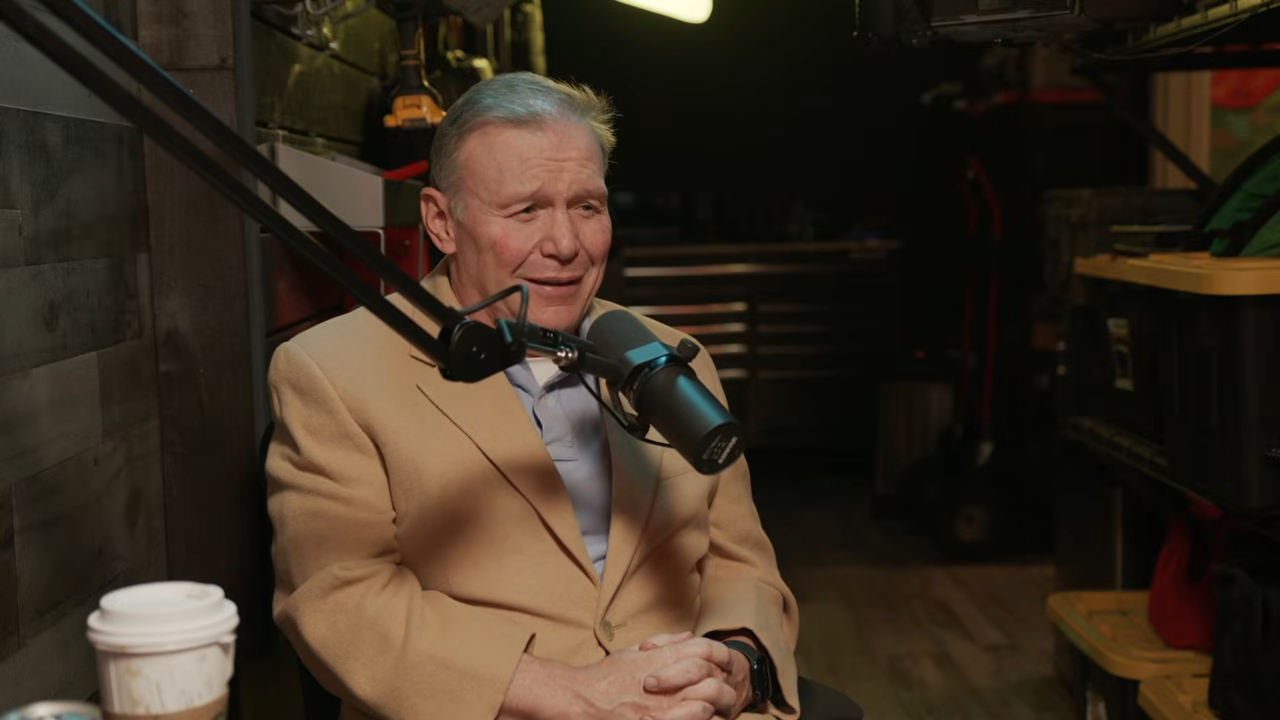
Starting out in 1978, David entered a world that many outsiders can hardly imagine. He began his career in a shaft mine with a 550 foot drop, where the open bottom elevator served as the primary air intake. This meant that in the winter, the ride down was brutally cold. David recalls a time when mining was less regulated and far more dangerous, describing an era where supplies and people shared the same elevator and the “clatter” of the mine was a constant companion. Despite the harsh conditions and the physical toll of working in seams as low as 27 inches, he spent 37 years without developing black lung, a feat he attributes to his choices in specific roles like pumping water.
“It was a shaft mines, 550 foot drop. The shaft also was the intake, so it was cold in the winter. If the elevator stalled you would have a skim of ice on your water, it was just so cold.”
The Weight of the Bench: High Stakes Rescue
After years on the front lines, David moved into the high pressure world of mine rescue and safety. He specialized as a “benchman,” the person responsible for the maintenance and preparation of the breathing apparatuses that keep rescuers alive in toxic environments. This role carried immense responsibility, especially during major disasters like the Upper Big Branch explosion in 2010. David was there, managing equipment for dozens of teams and even diagnosing equipment failures that occurred in the middle of the crisis. He understands better than anyone that in the mines, the laws are often “written by the blood” of those who went before.
“When you are a benchman you think, wouldn’t you want someone to put your apparatus together that absolutely knows what he’s doing? It keeps you alive so the pressure is there on me.”
A New Mission: From the Seam to the Pulpit
In 2006, David’s life took another turn when he felt a calling to the ministry. This path became even more defined following a family medical crisis where he made a promise to God while his wife was on life support. Today, he pastors five different churches in Wyoming County, focusing his energy on community outreach, food pantries, and supporting local schools. For David, the transition from coal miner to preacher was about learning to distinguish a specific “frequency” of guidance. He now uses the same dedication he once gave to the mines to serve his neighbors, proving that a life of service can take many forms.
“I believe in prayer and I believe in listening to God. It is just knowing His voice from all the other voices we hear. My voice, the evil voice, they sound the same but they have to me a different frequency.”
Ready to hear more about David’s incredible escapes and his take on what really happened during some of West Virginia’s most famous mine disasters? You won’t want to miss the full conversation where he dives deep into the “wild west” days of coal mining.