A Small Town Journey to the Bench
“I was looking for the chance to play basketball more than I was looking for where to get my education.”
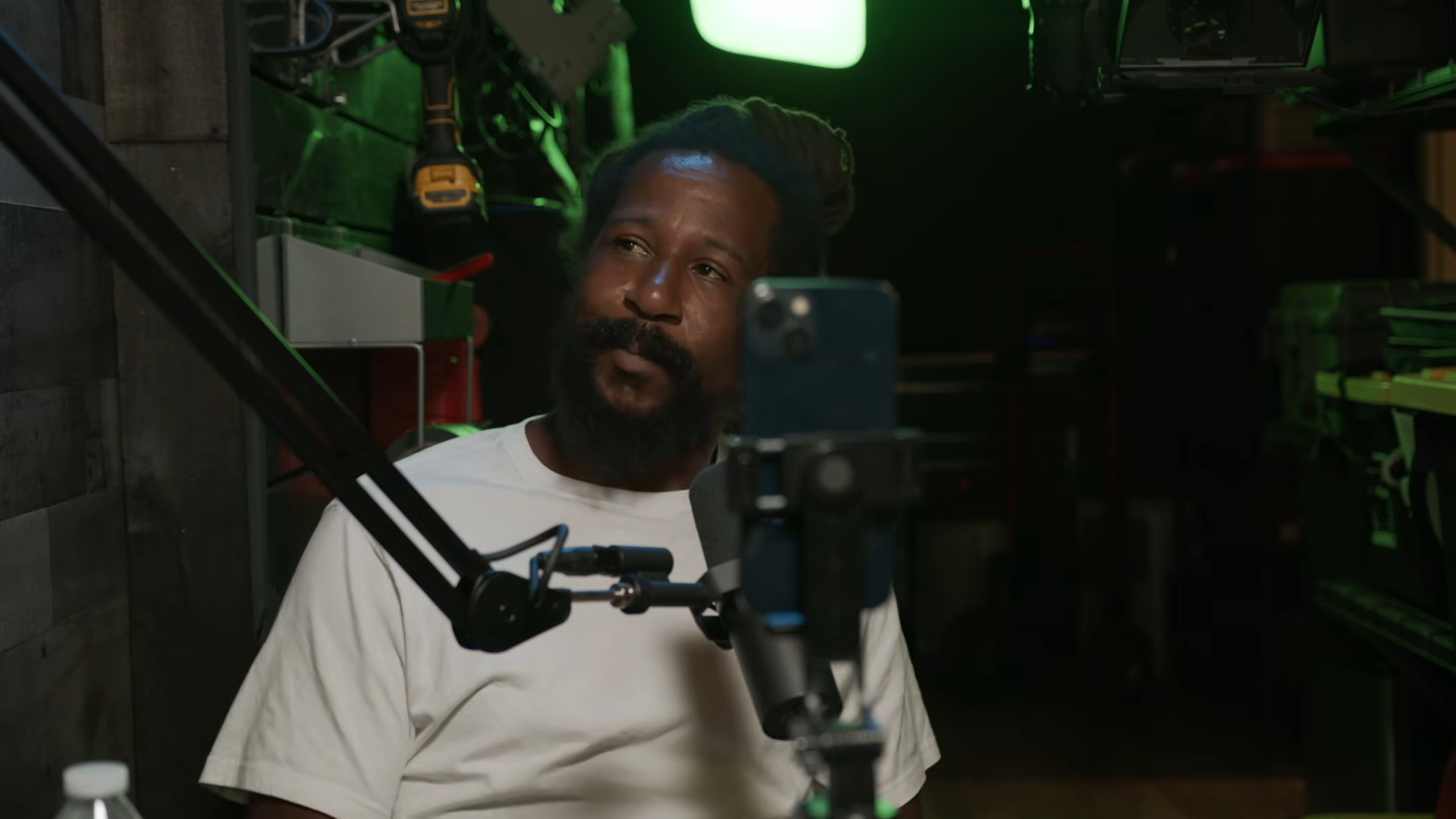
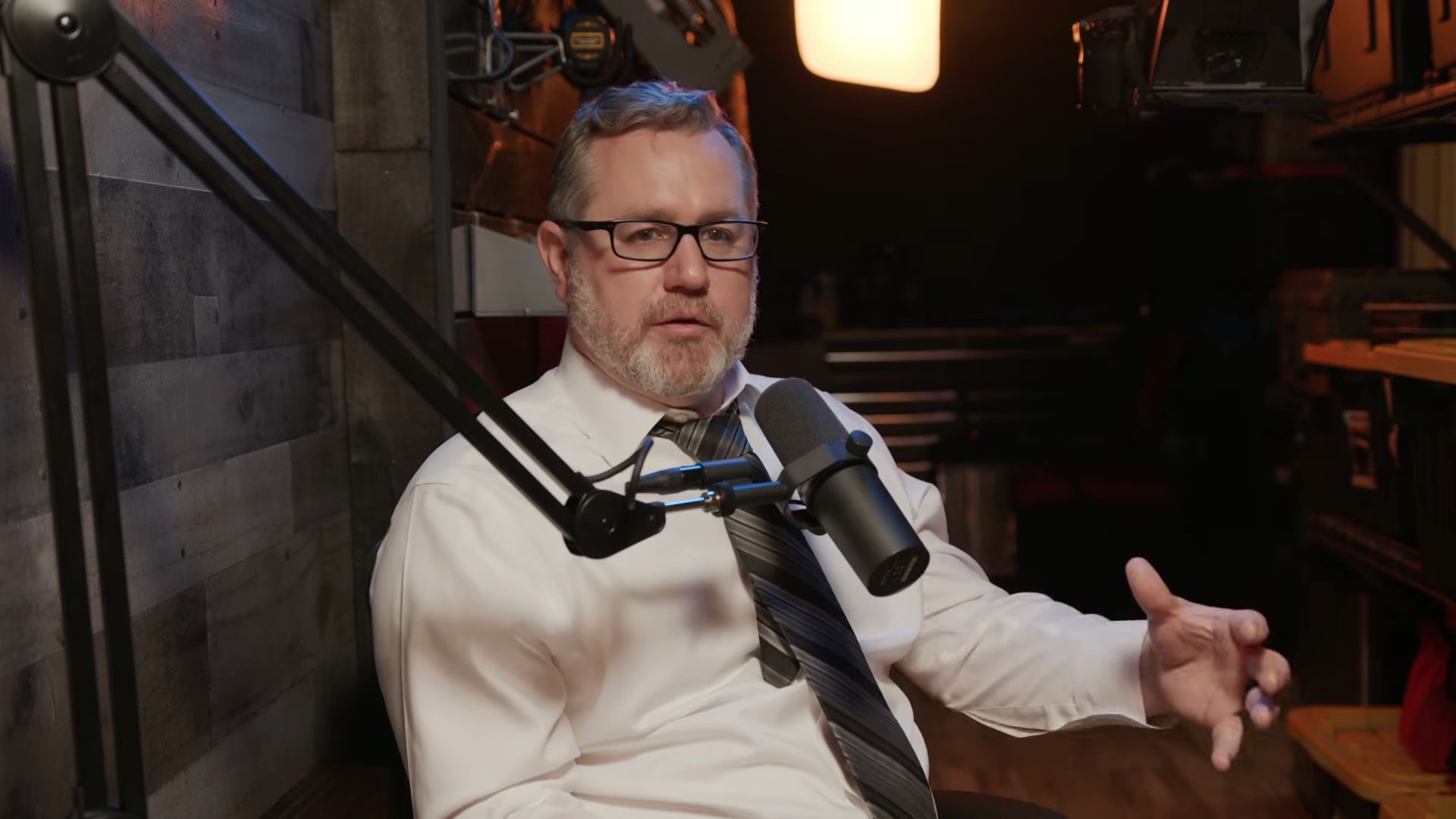
Justice Thomas Ewing did not take a traditional path to the robes of the Supreme Court. Growing up in Hico, West Virginia, his early life revolved around sports rather than legal briefs. He attended Glenville State College specifically to play basketball, eventually earning two degrees before heading to West Virginia University for law school. As a first-generation college student, he was driven by a desire for a challenge and an interest in government. After years of practicing law and serving as a circuit judge in Fayette County, he was appointed to the West Virginia Supreme Court of Appeals in 2025. He remains incredibly proud to be the first justice on the court from his home county.
The Human Side of Justice
“That was the first time I got an understanding that there’s a lot going on. There are people struggling.”
While Justice Ewing spent years handling complex civil cases and banking litigation, his perspective was deeply changed when he began taking on abuse and neglect cases. This work pulled him out of his professional bubble and showed him the harsh realities facing many families in his community. He saw firsthand how vital it was for judges to be problem solvers for children and parents in crisis. Even now, he admits that some of the hardest moments in his career involved parental rights, especially as a father himself. He believes that a good justice must be humble because the law is meant to apply equally to everyone, regardless of their background.
Law in the Age of Technology
“Judges can’t use ChatGPT to make the decision. You can’t give over your independent decision-making to the computer.”
The legal profession is currently navigating a major shift as Artificial Intelligence begins to change how research and documents are handled. Justice Ewing notes that West Virginia has been a leader in this area, creating some of the nation’s first judicial ethics opinions on AI. While he recognizes that AI can be a powerful tool for tasks like analyzing massive amounts of documents, he is firm that it can never replace the human element of judgment. To keep his own perspective clear, Ewing leans on his blue-collar roots as the son of a coal miner. He views his position not as a final destination, but as a humbling opportunity to serve his state and improve the system for future generations.
Ready to hear more about the inner workings of West Virginia’s highest court?
Check out the full conversation to hear Justice Ewing discuss his favorite constitutional amendments, his long commute through the mountains, and what it was really like to be hazed by the Socratic method in law school.