
Not Fixers, But Listeners: The Heart of Social Work
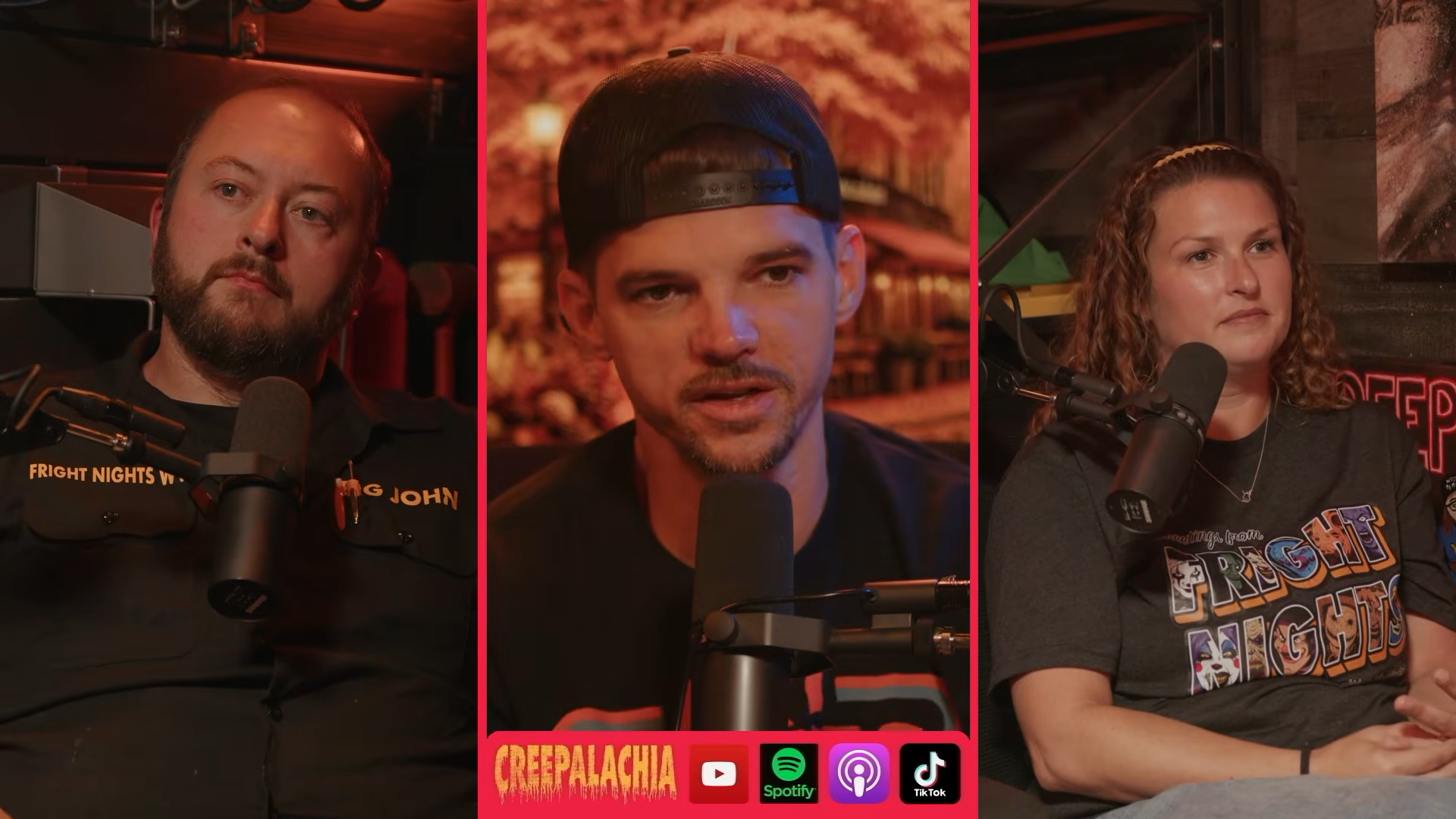
In this chat with Ashton Pritt and Miranda Morgan, the message is clear: social workers aren’t there to “fix” people. They’re there to listen, support, and advocate, with the goal of helping you shape the path you want to take.
“We’re not fixers. We’re going to listen to you. We’re going to support you. We’re going to advocate for you.”
The conversation boils down to a simple truth many of us forget: vulnerability is real, and understanding where someone comes from matters more than what they’ve done. The two guests remind us that social work is as much about empathy as it is about paperwork, and that the best help starts with listening.
The Real World of Social Work in Appalachia: Barriers, Bystanders, and Belief
The episode doesn’t shy away from the tough stuff. From the role of mandated reporters to the bystander effect, Ashton and Miranda pull back the curtain on the daily realities of social work in a region with deep poverty, transportation hurdles, and aging infrastructure. They emphasize humility, compassion, and the importance of being present for both kids and adults who are often one crisis away from a much bigger challenge.
“Most people are just a bad day away from a crisis.”
We also get a blunt look at the gaps in resources—foster care, residential treatment spots, and the constant balancing act between helping now and planning for sustainable change.
Hope, Growth, and the Road Ahead
“There are gaps in resources and services, many gaps, not just one.”
The conversation ends on a forward-looking note. Ashton and Miranda share their visions for private practice, play therapy, and expanding services to meet kids where they are: whether that’s birth to three, school-based support, or home-based wraparound care. They talk about the power of play, the value of rapport-building, and the real need for more accessible, consistent support for families. And they aren’t just dreaming: they’re stacking up credentials, planning collaborations, and identifying concrete steps to improve the system, one kid and one family at a time.
Curious how these two professionals turn tough days into meaningful action? Tune in to hear the stories, the hard truths, and the hopeful plans—straight from the front lines in West Virginia. You’ll laugh, you’ll nod, and you’ll walk away with a deeper sense of why listening can be the most powerful form of advocacy. Long live Appalachia.