From Gilbert Creek to the Courtroom: The Making of a “Junkyard Dog”
“My reputation through 28 years of practicing law is that of a junkyard dog of just getting on a subject or a person or a topic or a case and just not letting go until we prevail.”
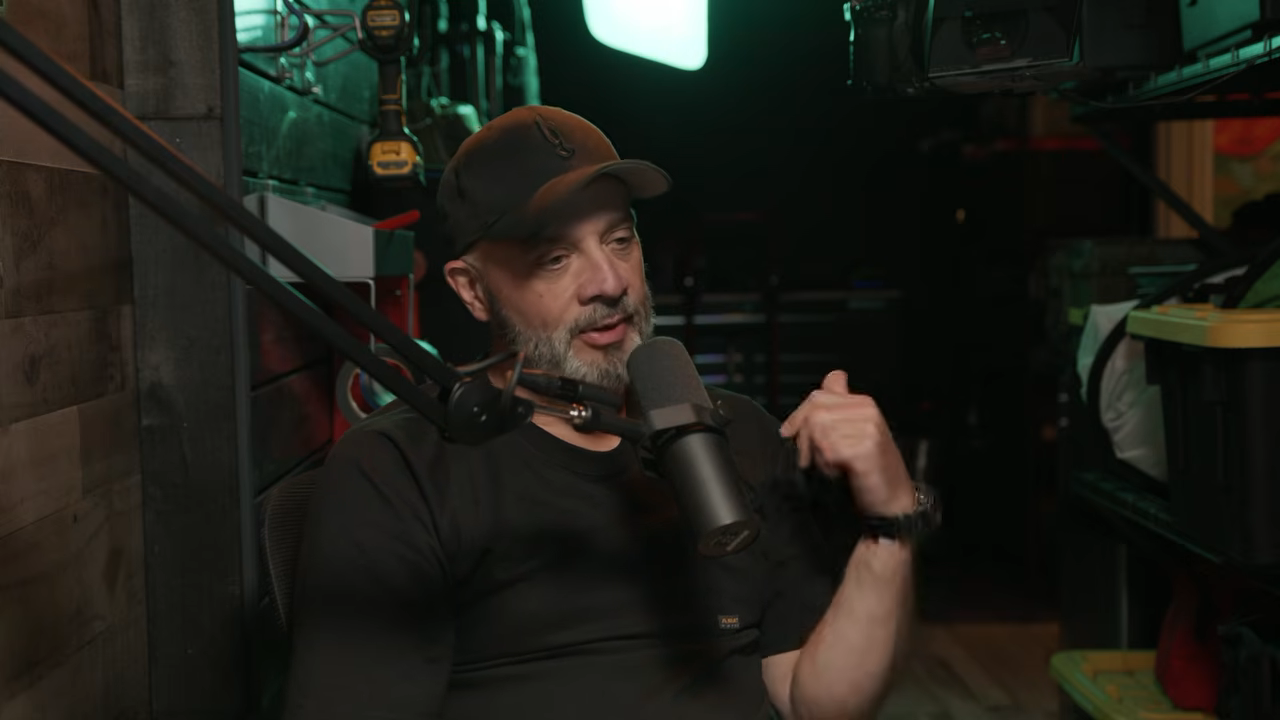
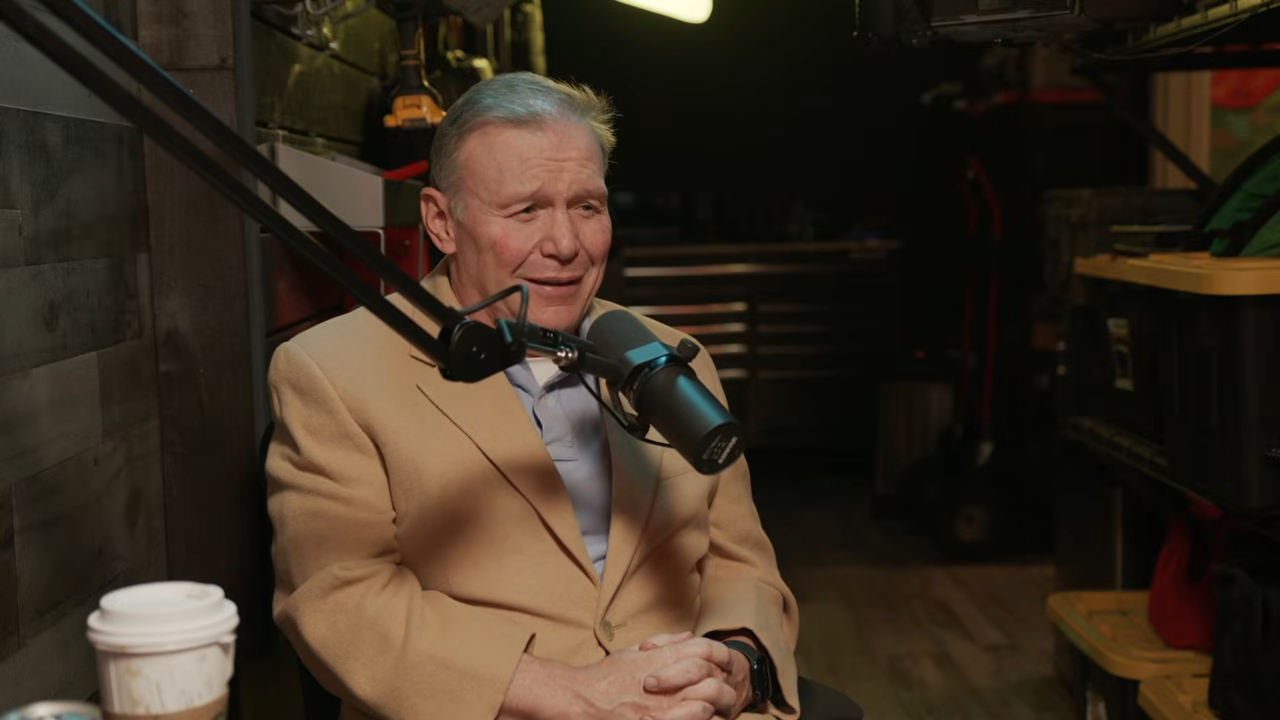
Stephen New did not come from elite legal dynasties or Ivy League halls. Growing up on Gilbert Creek in Mingo County, West Virginia, as the son of a coal miner and a public school teacher, toughness was standard equipment. Inspired by his middle school history teachers and a local mentor, New pursued law and spent nearly three decades building a career defined by relentless advocacy. Often underestimated because of his deep Appalachian roots and accent, New has consistently turned that underestimation into his primary courtroom advantage. Whether tackling environmental issues, public school challenges, or massive corporate defendants, his background gives him the grit required to stand up to the country’s largest institutions.
An Anonymous Source of an Anonymous Source: Breaking Down the NYT Defamation Case
“What we found out in the litigation was not only was the article based on one anonymous source, it was an anonymous source who had an anonymous source.”
The trouble began when The New York Times published an explosive article accusing Kai Spears, a walk-on freshman basketball player at the University of Alabama, of being present during a fatal shooting in Tuscaloosa. The reporting relied entirely on a hearsay chain that New compared to a “kindergarten game of telephone”. Despite Spears offering clear digital and physical proof, including Life360 location logs and dorm security footage showing he was nowhere near the scene, the newspaper refused to issue a retraction for 79 days. Driven by tight tournament deadlines and internal biases, the reporter even dismissed New in private text messages as a “hillbilly ambulance chaser”. That refusal to back down led to a nine-day trial where a unanimous jury found the publisher guilty of defamation and false light invasion of privacy, awarding Spears $9.25 million in total damages.
Defending Rights and Fighting Corporate Overreach Across Appalachia
“The First Amendment is hallowed ground, the freedom of the press is very important to be able to report on court cases… but at the same time you can’t say people were involved in a murder when they weren’t.”
Winning a defamation lawsuit against a major media outlet is extraordinarily difficult because the First Amendment provides sweeping protections for free speech and journalism. As a self-described civil libertarian, New supports freedom of the press, but emphasizes that reporting false claims as absolute facts without proper vetting crosses a clear legal line. For New, taking on The New York Times is just one extension of a broader mission to protect Appalachian communities from institutional neglect and corporate exploitation. From litigating against unmonitored prison sewage spilling into local rivers to advocating for fair local taxation on multi-trillion-dollar tech data centers, he applies that same “junkyard dog” tenacity across West Virginia.
Ready for the Full Story?
Want to hear all the behind-the-scenes courtroom drama straight from the attorney who lived it? Watch the full interview on Creepalachia to see Stephen New break down the inner workings of the trial, share wild stories from the coalfields, and discuss what it really takes to hold the nation’s biggest newspaper accountable!