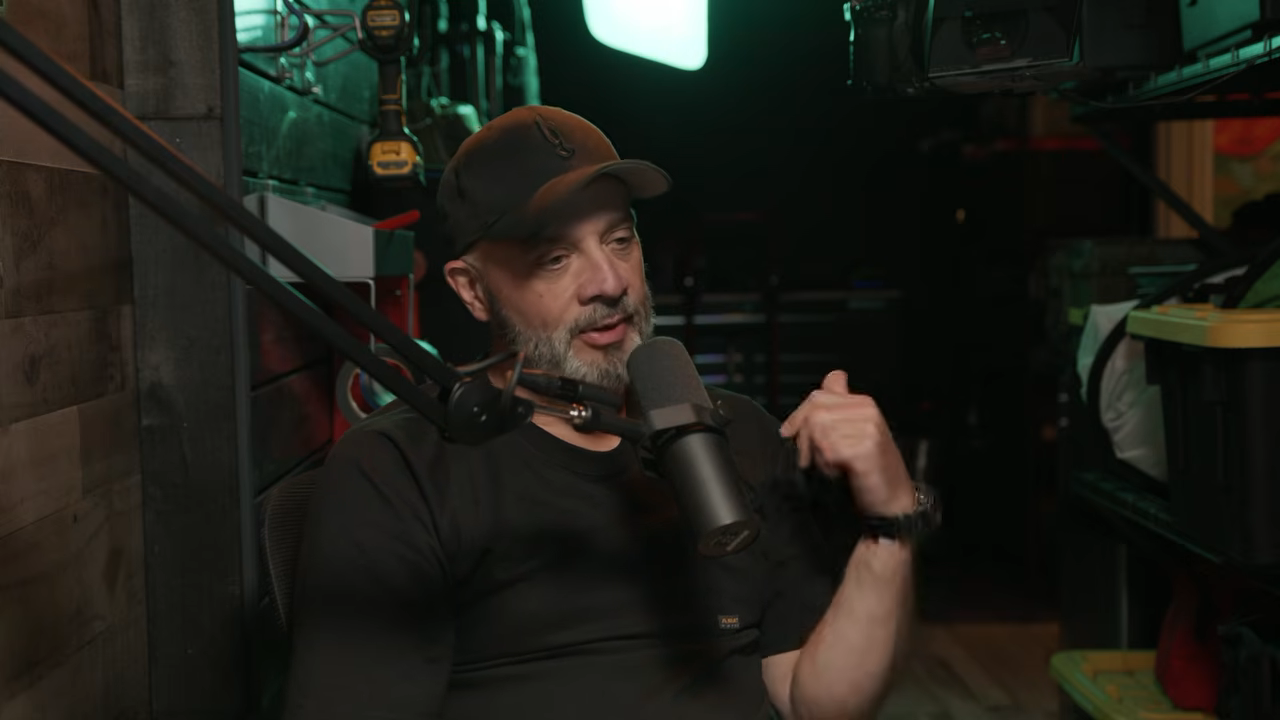

The Intense Culture of the Turkey Calling Contest
Chris Walls, a Mountain View graduate from McDowell (Mac D) County, West Virginia, began hunting early, focusing on squirrel, rabbit, and deer. However, it wasn’t until he was around 14 years old that he discovered spring turkey hunting, an experience introduced by his uncle Sbert Pati, whom Chris calls a “phenomenal phenomenal turkey hunter”. It was the intense, back-and-forth communication of the calls that captivated him.
This obsession led Chris to the competitive stage. The National Wild Turkey Federation (NWTF) holds its national show in Nashville annually, and it is the largest convention in the city, drawing an astounding 85,000 people last February. To qualify for the Grand Nationals, you must win a local contest. Chris certainly proved his talent, having won the Grand National Calling Contest Gobbling Division twice, in 2003 and 2006, and the Junior World Turkey Calling Championship in 1995.
For competitors, all their year-round dedication must boil down to just a few minutes of performance, as judges score them on five calls drawn the day of the contest. Chris, who now M.C.s the Nashville competition, noted that even being backstage, the shift in nerves when turning left onto the brightly lit stage is intense.
“It hits the fan on a level that you could never imagine.”
The Arsenal: Calls of Appalachia and Ancient History
Chris demonstrated a wide range of calls, which are generally split into three contest divisions: natural voice, friction (like a box or slate call), and open (where anything is allowed, including the mouth yelper). Many of the custom calls Chris uses are built by Appalachian craftsmen, such as Lonnie Sneed from Princeton, West Virginia, who is considered “one of the best pot call builders in the world” and is still building calls at 86. Custom short box calls can run around $120 to $225, while long boxes, which Chris prefers, can be $250, depending on the wood combinations.
The sheer variety of calls is what drives the collector’s spirit. Different calls, such as the slate call, are made from materials like glass, walnut, and red oak. This obsession with variety is tactical, as a turkey might ignore one call, but:
“You hit him with something different and all of a sudden… he just starts coming to it”.
Some calls are historically fascinating, like the Wing Bone call, constructed from the humorous, ulna, and radius bones of a wild turkey’s wing. Native Americans utilized these calls, and they have been found in California caves dating back “over 2,000 years old,” leading Chris to theorize that early man discovered the sound while pulling marrow out of the bone. Other specialized tools include locators, which are non-turkey calls like the owl hooter or crow call used to provoke a gobble from a turkey so the hunter can locate them.
Turkey Smarts, McDowell History, and the Birdman
Chris also touched on the unique history of his home, MacDowell County. He noted that many people, especially those around Charleston, don’t realize how diverse the area is. Chris mentioned that his high school was “50% African-American,” which he acknowledged is “unheard of in the state of West Virginia”. This diversity, he explained, was a result of a strategy employed by the coal companies who sought to prevent unionizing by creating a workforce of “one-third African-American, one-third foreign and one-third Native Appalachian” workers.
The conversation turned to local folklore, including the tale of the Birdman of Roerfield. The legend claimed that the Birdman was a feathered man, about 6 feet tall, who slept in the railroad trussle behind the volunteer fire department. Older kids at the bus stop told the terrifying story that if you tried to see him, he would
“Chase you down and peck your eyes out”.
Regarding the actual wildlife, Chris detailed why turkeys are such tough opponents. Their eyesight is “8 to 10 times better than ours” and their hearing is “five to six times better”. Furthermore, turkeys can triangulate sound, meaning when they walk over a hill after you call, they “know exactly the tree you’re sitting on”. They are also incredibly fast, capable of running up to 30 miles an hour and flying through trees at 50 miles an hour.
If you manage to kill a bird, Chris recommends turning the lean breast meat into what he calls “Chick-fil-A turkey nuggets” by cutting them small, marinating them in pickle juice for about 30 minutes, tossing them in Bisquick or flour, and deep frying them in peanut oil.
Hear the Sounds That Won a Championship
The world of competitive turkey calling is wilder and more technical than you might imagine, incorporating ancient technology and deep Appalachian craftsmanship. Can a crow call or an owl hooter really sound that realistic? Is there an ancient secret to the wing bone call? You have to hear these championship sounds to believe them! Go watch the original video and listen to a two-time Grand National Champion demonstrate his incredible skills.