
From Day Jobs to Dream Jobs — Last Train Home
In this conversation, Jonah opens with the moment that changed everything: quitting a ten-year gig to chase music full-time. It wasn’t easy, it wasn’t guaranteed, but it was real. The song Last Train Home grew out of a train whistle video his mom shot and a mindset shift that paired a stubborn work ethic with a stubborn dream. He framed it as both a personal leap and a universal nudge to anyone who’s ever looked at a life and asked, “What if I try?”
“It’s a metaphor for me leaving my job, but it’s about going to do the thing you want to do.”
He also drops a crucial tip for aspiring artists: record at home, clap together your parts with a metronome, then bring it to a studio to add the pro drums. The result isn’t just a track, it’s a blueprint for turning a moment of fear into a song that travels.
American Dream — The Honest Wake-Up Call We All Needed
The second stop in the chat is a reflection on modern life and modern disconnection. American Dream blends moody acoustics with a pointed, almost Radiohead-meets-Appalachia vibe, turning a simple guitar line into a social meditation. Jonah talks about how the internet, screens, and endless channels can heighten loneliness even as they lubricate accessibility.
“We’ve got it made, dude. Like everything’s easy now.”
The performance rides a quiet optimism and a warning at the same time—the kind of song that makes you want to put your phone down and listen. It’s a showcase of how he uses Travis picking and unusual tunings to give the track a hypnotic pulse, while his voice remains a steady, soulful compass through the tension.
King Vulture and Hands of Time — Crafting Stories with Grit, Guitars, and Gear
“You step up here and you sing it.”
In this portion, Jonah takes us through two more originals with a distinct edge. King Vulture leans into a dark metaphor about a vulture-like figure who shows up when the time is right, a sharp image that travels through a blistering guitar narrative. Then Hands of Time hovers on the existential edge—about aging, urgency, and making the most of the minutes you’ve got. The segment also gives a behind-the-scenes look at his gear: a pedalboard that lets him layer looping rhythms live, building something that can feel like a true two- or three-piece band even when it’s just him and a guitar. It’s a masterclass in live looping as storytelling rather than gimmick, turning the room into a single, expansive sound stage.
Bonus: A peek behind the curtain
- A note on how he records: everything at home with Cakewalk, then a Bristol studio for the drums and mixing.
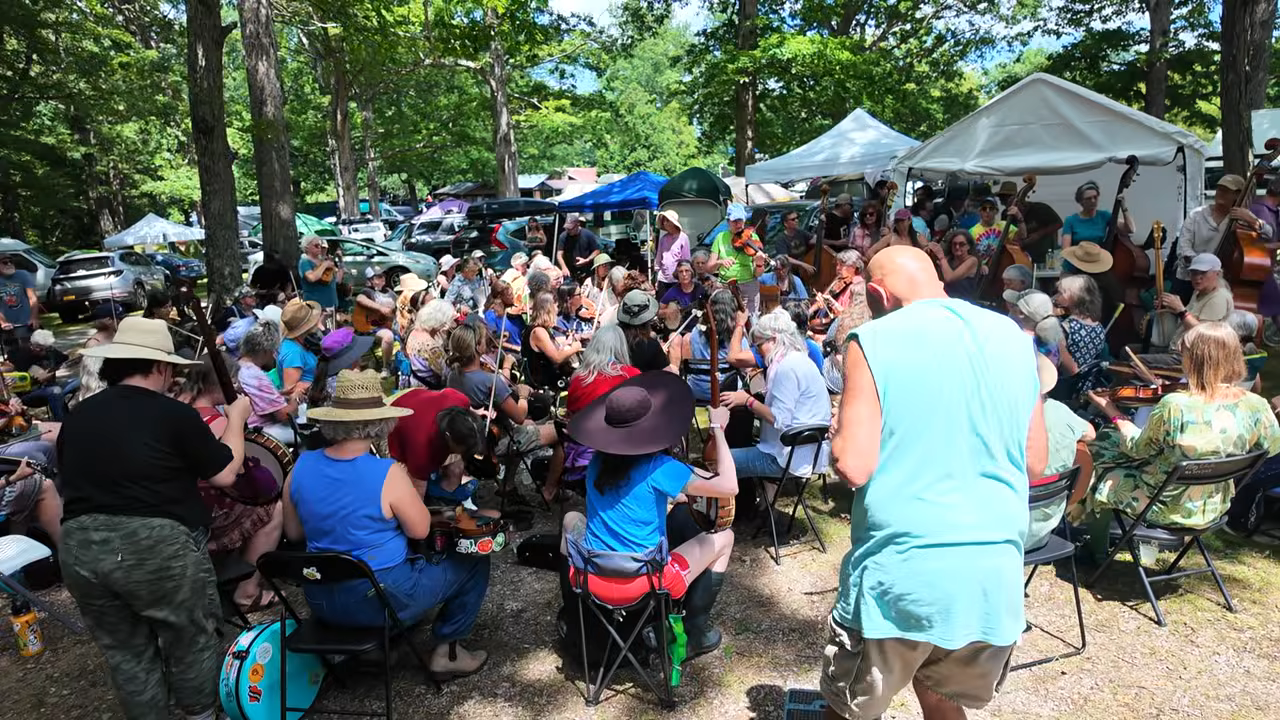
- The community vibe: friends and fellow musicians in Appalachia supporting each other, sharing stages, and turning local rooms into collaborative spaces.
- The improvisational magic: the guitarist’s approach to setlists—three to four hundred songs in rotation, tuned by the crowd’s energy rather than a fixed script.
How to find more of Jonah If you want to keep up with his live shows, recordings, and future studio plans, look for Jonah Carden on Facebook. He keeps his posts focused and real, sharing show updates and music with a personal touch that fits the Appalachian heart he’s representing.
Long live Appalachia, and long live the music that happens when a hometown kid reaches for something bigger. Want to see how it all sounds in real time? The full video is ready to watch and you won’t want to miss it.