A Lifetime of Sawdust and History
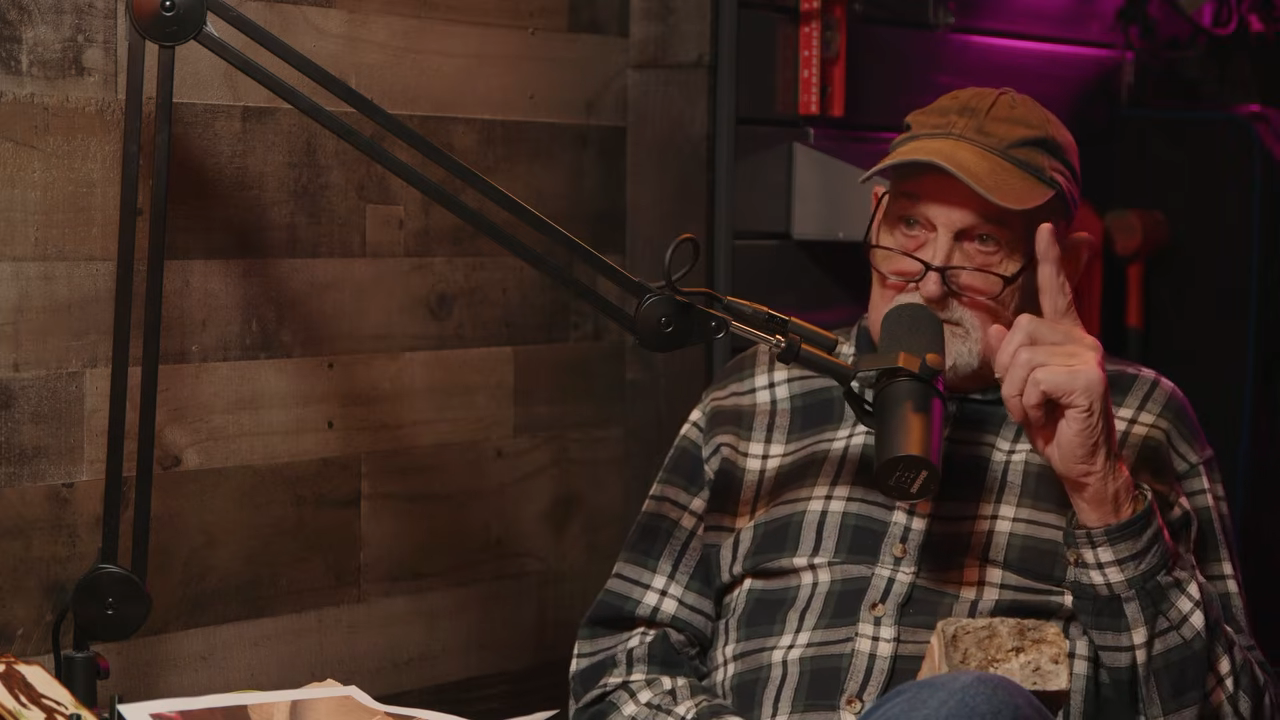
Jon Smith did not just stumble into the world of historic preservation. He was raised on a farm in Marshall County by an Oklahoma cowboy and got his start as a carpenter’s apprentice in the 1970s. Since those early days, he has worked on a staggering array of landmarks, including the West Virginia State Capitol, seventeen covered bridges, and even President Jonson’s National Park. For Jon, the work is about more than just fixing old wood and stone. It is about “adaptive reuse,” which means finding a new, modern purpose for these historic gems so they can keep serving the community.
“Every building we restore is really an adaptive reuse of a historic place. They find a different use for it. You look at that all over West Virginia where there’s adaptive reuse of these old buildings.”
The House That Refused to Die
One of the most incredible stories Jon shares involves a Second Empire Victorian house in Wheeling that was bought for a mere 200 dollars at a tax auction. At the time, the city had the house at the top of its “raise list” to be torn down, but a series of eerie coincidences suggested the building had other plans. It turned out to be the home of Christopher Craft, the man who built Woodburn Hall at WVU, and it also had a dark past as a residence for the noted mobster Paul Hankish. Through Jon’s preservation efforts, the house was saved from court orders and demolition, and today it serves as a vibrant event center.
“Imagine Twilight Zone in a different dimension. We’re not talking ghosts. In a different dimension, you got these three guys hanging out and one of them says, ‘Hey look Chris, they’re going to tear your house down. No they’re not. I’ll get that Bradovich kid. He always liked that house. He’ll save it.'”
Why These Screaming Walls Still Matter
Jon is a firm believer that if walls could talk, the historic buildings of Appalachia would be screaming their stories. He points to figures like Reverend Alexander Martin, who stayed in Wheeling while establishing what Jon describes as the first free public education system in the United States. Preservation is not just a hobby for Jon, it is about “asset development” and maintaining the culture of a region that has often had its resources extracted by outsiders. He argues that these durable, handmade structures are worth far more than modern consumerism would lead us to believe.
“Our theme for the historic talk in this house of course was, if walls could talk, these walls are screaming. Since that time I’ve talked to several students who say that when that was apartments that the tenants couldn’t stay there very long.”
Ready for the Full Story?
If you want to hear the wild truth about the “Great Tata Fire” in Philippi, Jon’s personal encounters with West Virginia mob legends, or how he survived a forty foot fall from a scaffold, you need to check out the original video. It is a deep dive into the grit and ghost stories that make Appalachia unlike anywhere else on earth.