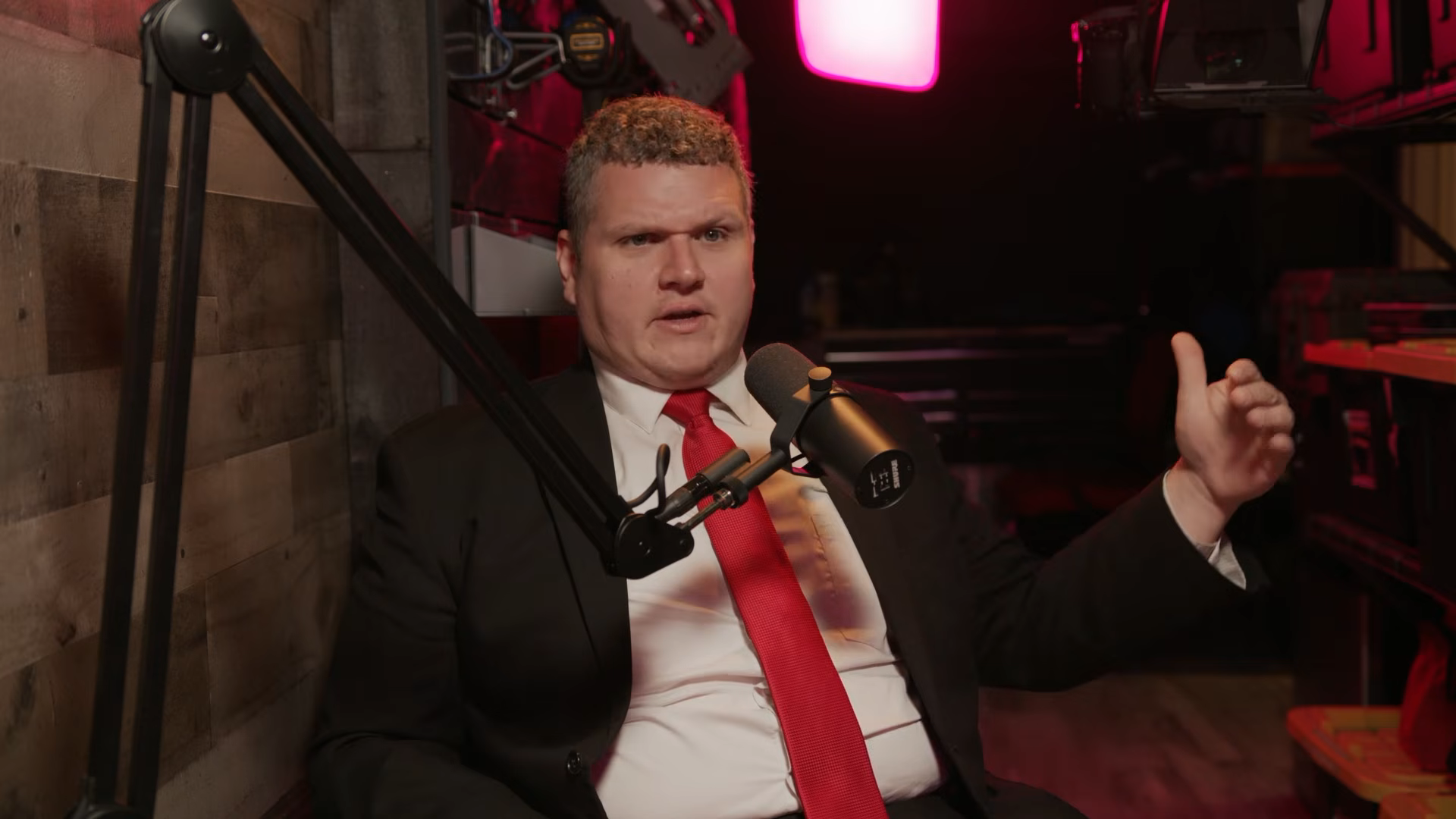

The Path to Service — From Homeschooling to Army Medic
In this chapter of Charles Stewart’s life, we get the origin story behind a veteran who found his calling early. Growing up as the son of a Navy man, Charles moved around the country, but his heart always leaned toward two things: helping people and serving his country. He describes growing up with outdoor, hands-on learning—homeschooling, fishing, and a mindset that you can make your own path if you work for it. He knew early on that the military was part of that path, specifically aiming to be a medic because he already had paramedic training. The road to enlistment wasn’t a straight line, but with careful planning and a push from family, he landed a medic slot after navigating multiple MEPS visits and a firm no-nonsense approach to recruiters. Basic training turned out to be exactly what it’s meant to be: a hard, mental test that shapes you into the team member you’ll become.
“Basic training is a mind game.”
And when it was over, Fort Sam Houston beckoned for the next leg of his journey as a Army medic in training.
Downrange Realities — 9/11, Fallujah, and a Medic’s Cries for Help
“This is what you’re told to do. You do it.”
The conversation dives into the chaos after 9/11 and the experience of real combat that followed. Charles talks openly about how deployment cycles look in practice—living in tanks, moving as a unit, and facing ambushes that test every nerve. He recalls a night in Ramadi and Fallujah filled with direct firefights, medevac decisions, and the brutal, human calculus of triage under fire. The moment when a buddy is lost or gravely wounded—“the guys who took rounds” and the hard choice of where to deploy scarce medical resources—highlights the relentless pressure of frontline medicine. He recounts a night where a helicopter was shot at and a comrade was lost after life-saving efforts, a memory that stays with him as part of the cost of war. This section doesn’t shy away from the ugliness of combat, but it also shines a light on the brotherhood of soldiers who push through fear to do their jobs.
Healing and Hope — PTSD, Family, and Paying It Forward
“PTSD, we needed to start policing our own with that.”
After the firefights and medical triage, Charles takes us through the long, quiet work of healing. He’s candid about his struggles with PTSD, homelessness, and the path to sobriety, including a life-changing moment when a DUI became the turning point to get clean. He emphasizes the importance of reaching out for help and the fact that healing isn’t a straight line—it’s a toolkit of support, therapy, and community. Family plays a huge role, from his wife Jennifer’s steadfast support to the kids who bring new purpose to his days. He also pays it forward, sharing hard-won wisdom with younger veterans, encouraging them to build their own “toolkit” for resilience and to stay connected with those who truly understand. This section centers on turning trauma into a catalyst for growth, and on the real, practical resources that can help veterans reclaim their lives.
Want the full picture? This interview dives deeper into the moments, the feelings, and the lessons that come from walking through fire and finding a way home. Watch the original video to hear Charles’s voice, in his own words, and to discover the resources he highlights for veterans today. Long live Appalachia.