From Law School Theory to Real-World Justice
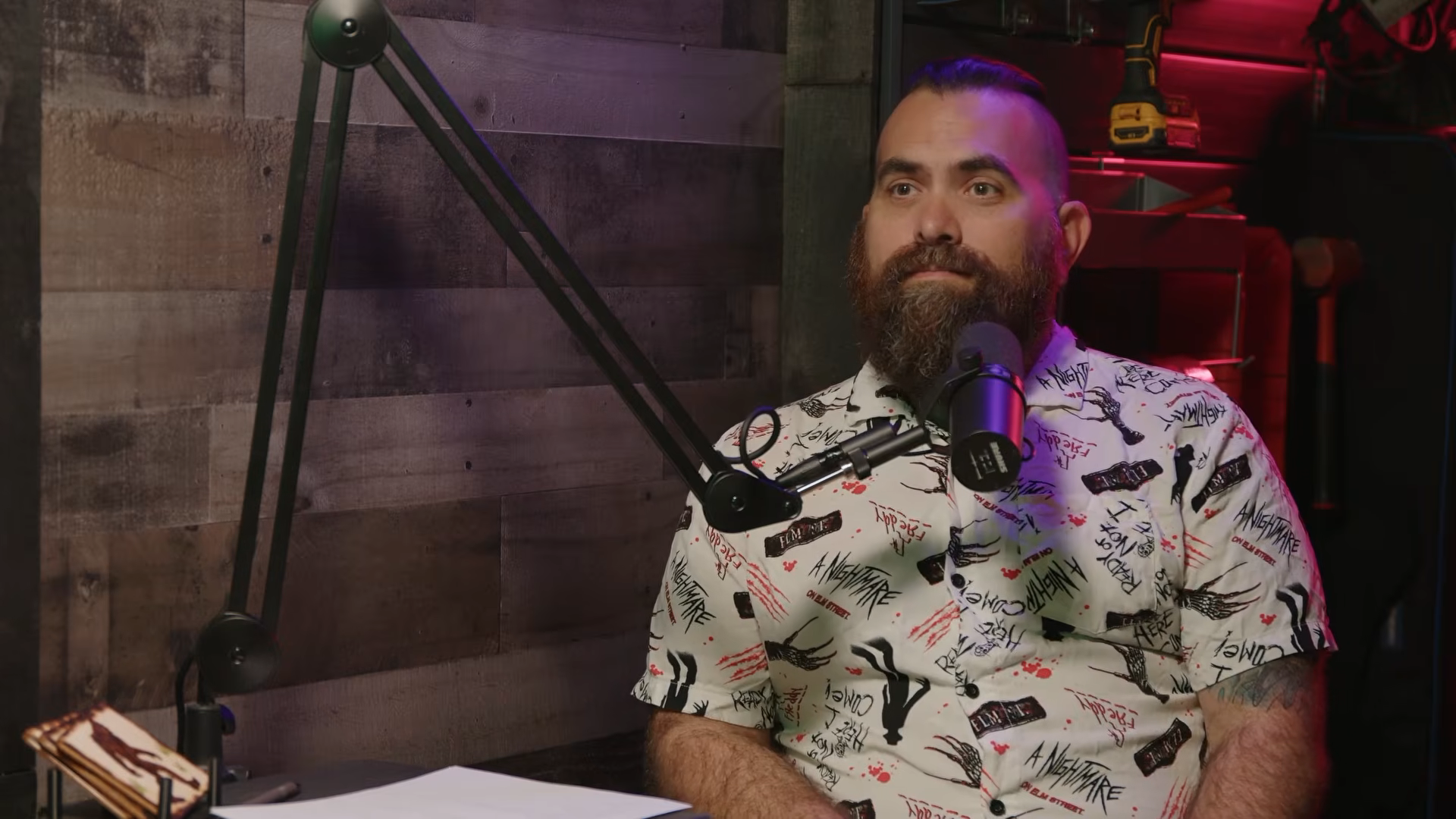
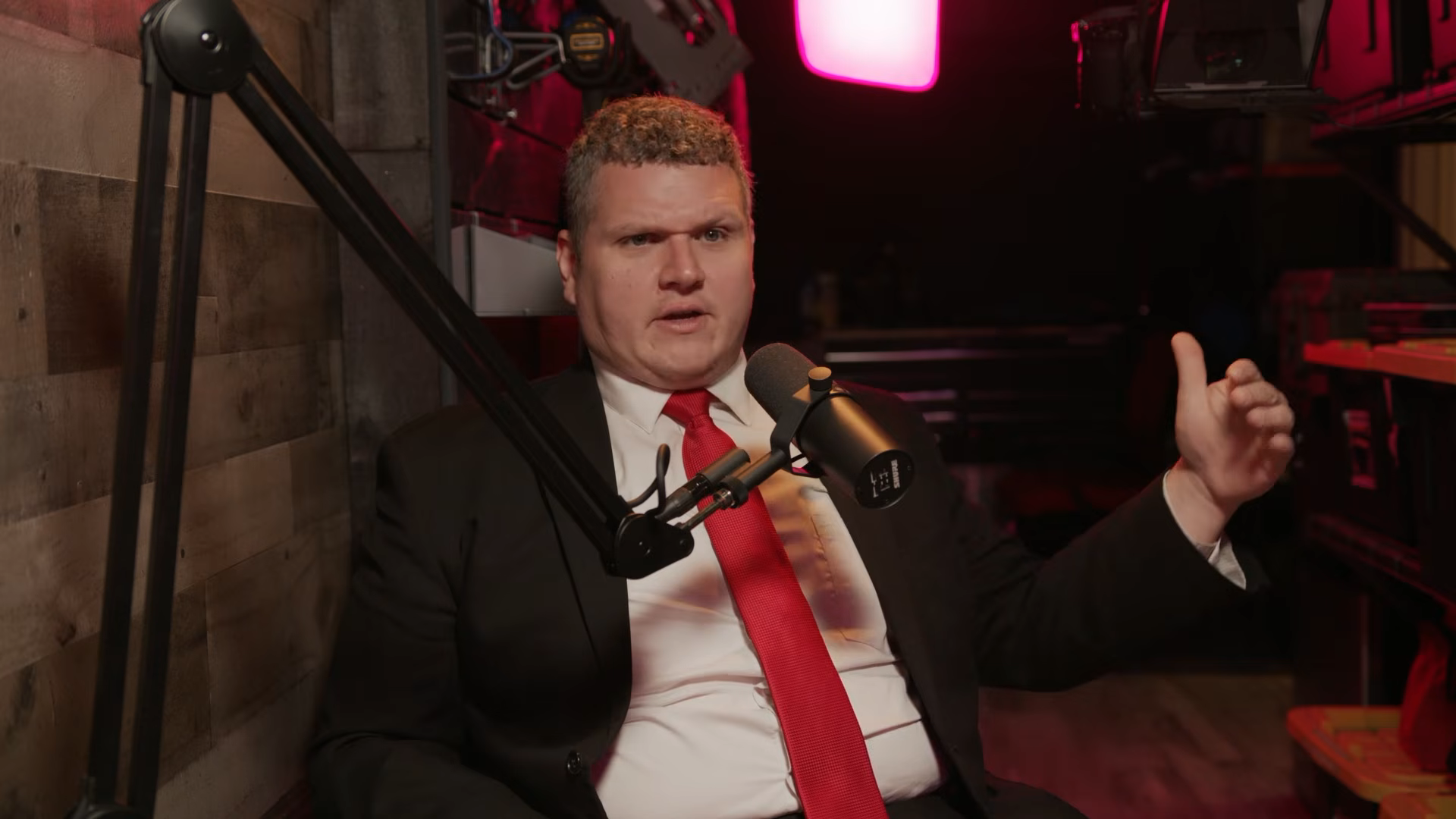
David Pfeifer did not always dream of being a prosecutor. In fact, he was not even a big fan of criminal law during his time at the Appalachian School of Law. After moving from the West Coast and working as a clerk for Judge Swope, he realized that his true driving force was helping people. Now serving as the Prosecutor for Mercer County, he balances the heavy weight of legal theory with the daily reality of seeking justice for victims. For him, the job is about more than just winning cases: it is about maintaining an ethical standard that keeps the community’s trust. He is firm in his belief that a prosecutor must stand behind every case they bring to the courtroom.
“I won’t prosecute a case that I don’t believe is guilty. I think that’s unethical. You have to stay above board.”
Why Justice Can Sometimes Feel Like a Waiting Game
It is a common frustration for the community: why does it take so long for a case to go to trial? Pfeifer explains that the delay is often a mix of constitutional requirements and major logistical hurdles. In West Virginia, grand juries meet only three times a year. Because the state relies heavily on scientific evidence like DNA and autopsies to prove a case beyond a reasonable doubt, they are often at the mercy of backlogged state offices. For instance, it can take nine to twelve months just to get an autopsy report back because there is only one medical examiner’s office for the entire state. As a prosecutor, Pfeifer has to ensure the state is fully prepared before an indictment, because once that happens, the defendant’s right to a speedy trial takes effect.
“What takes the process so long is we meet so infrequently, only three times a year, and when we do present we have to be ready.”
Tackling the Roots of the Drug Epidemic
The drug epidemic, particularly the rise of fentanyl, drives the vast majority of cases in the Mercer County legal system. Pfeifer admits that early in his career, his focus was strictly on securing the most jail time possible. However, seeing the same people cycle through the system made him realize that punishment alone was not fixing the underlying issue. Today, he is a strong advocate for programs like Drug Court, which utilizes a team of mental health and medical professionals to help individuals recover and rejoin society. While he remains committed to aggressively prosecuting drug dealers, his approach to those suffering from addiction is now rooted in finding long-term solutions rather than just relying on incarceration.
“The solution is attacking the addiction and that is the problem. Just putting people in jail wasn’t making a bit of difference.”
Want to hear the full story?
If you want to hear more from David Pfeifer about his most haunting cases, the intricacies of jury selection, and what it’s really like to seek justice in Southern West Virginia, be sure to watch the original video interview.