
Breaking the Cycle: The Real Story of West Virginia’s Drug Court
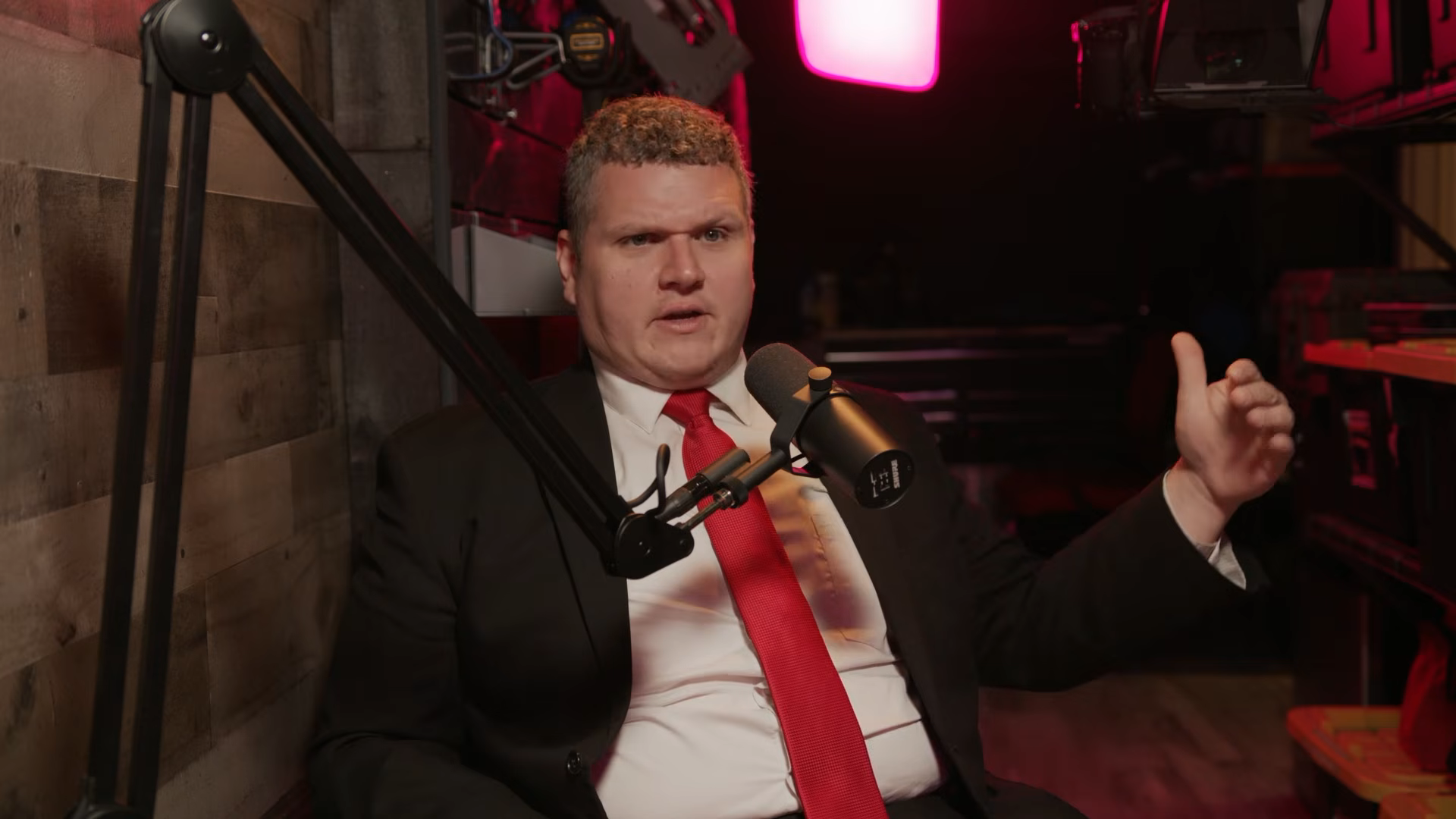
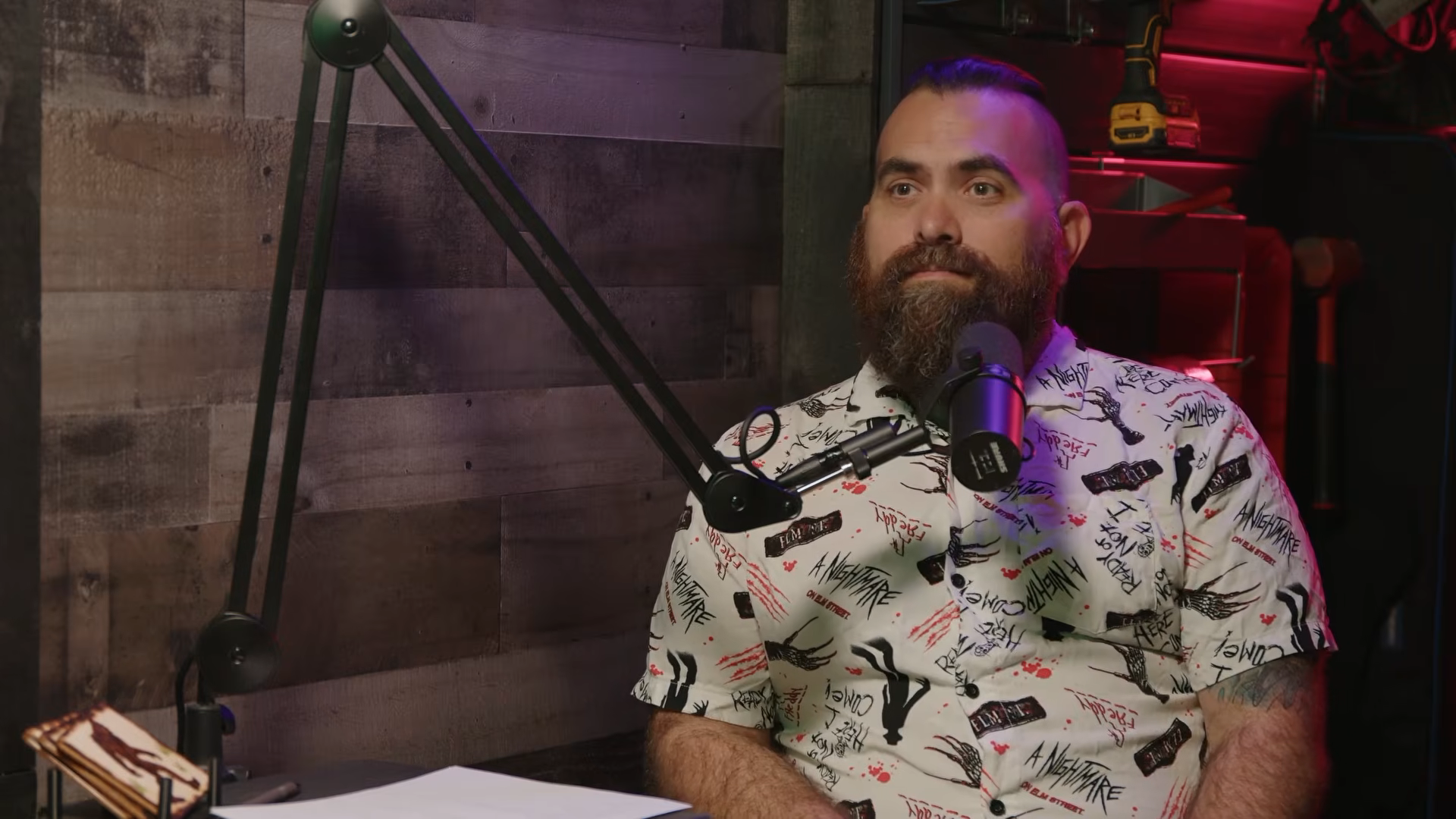
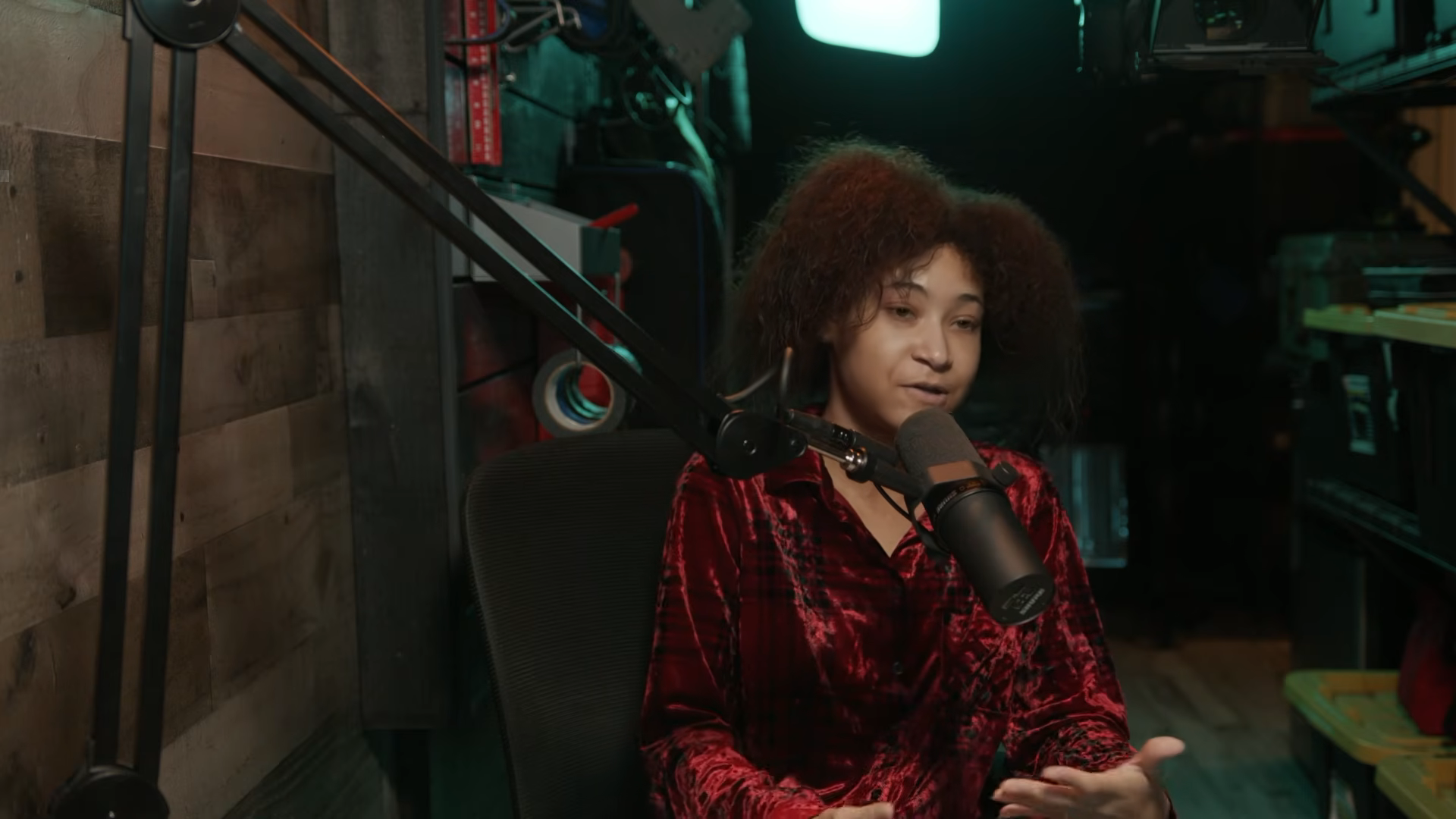
Take a seat in the Creepalachia studio for an eye opening look at the Mercer County Adult Drug Court, where graduates and coordinators get real about the grit, the structure, and the second chances that are transforming lives in Appalachia.
More Than a Courtroom: Meeting Basic Needs First
While the name might sound intimidating, the Adult Drug Court program in Mercer County is actually a voluntary alternative sentence designed to keep people out of prison. Instead of focusing solely on punishment, the program takes a holistic approach by looking at a participant’s physical health, mental health, and even their education. They utilize a unique token economy where participants can “shop” for basic necessities like laundry detergent and toothpaste by demonstrating positive behaviors. By addressing the first levels of Maslow’s hierarchy of needs, the program ensures that people feel safe and secure so they can focus on their recovery.
“My job description is to reduce the jail bill in Mercer County, it is to reduce recidivism rates in West Virginia, and is to return people whole to the community that are recovering taxpaying productive members of society.”
Stories of Survival and Success
The heart of the program lies in the journeys of its graduates, like Jimmy and Juanita, who both faced incredible odds. Jimmy spent years in the “madness” of addiction, even asking to be sent to prison because he felt hopeless after failing multiple times. Juanita dealt with severe childhood trauma and spent a total of 13 years in and out of jail before a judge finally offered her a path to help instead of another long sentence. Today, both are working in the medical and recovery fields, proving that a felony record does not have to be the end of someone’s story.
“I never in a million years imagined that I would be where I am today, as many felonies as I have under my belt, as many years as I have in prison and in jail, and I work in a doctor’s office.”
The Journey to Rigorous Honesty
Recovery in this program is described as a tough five phase journey that requires a total change in thinking and behavior. Interestingly, Lakey Deida, the current drug court coordinator, was once a participant herself who actually failed the program back in 2011. Her story is a powerful example of redemption, as she now carries a badge and works alongside the same judge who once sentenced her to prison. The program thrives on partnerships with organizations like Recovery Point and local health centers to provide the structure and “rigorous honesty” needed to turn things around.
“When you feel like you’re in rock bottom, find that door, because there’s a basement.”
Think you know everything about the justice system? You have to hear these incredible stories of transformation for yourself. Check out the full video below to see how these West Virginians are reclaiming their lives and their communities.
Entering drug court is like rebuilding a house that was hit by a storm. Before you can worry about the decorative paint or the furniture (long term goals), the program helps you fix the foundation and the roof (basic needs and safety) so you have a solid place to stay while you do the hard work of renovation.