Paying Dues and Learning the Ropes
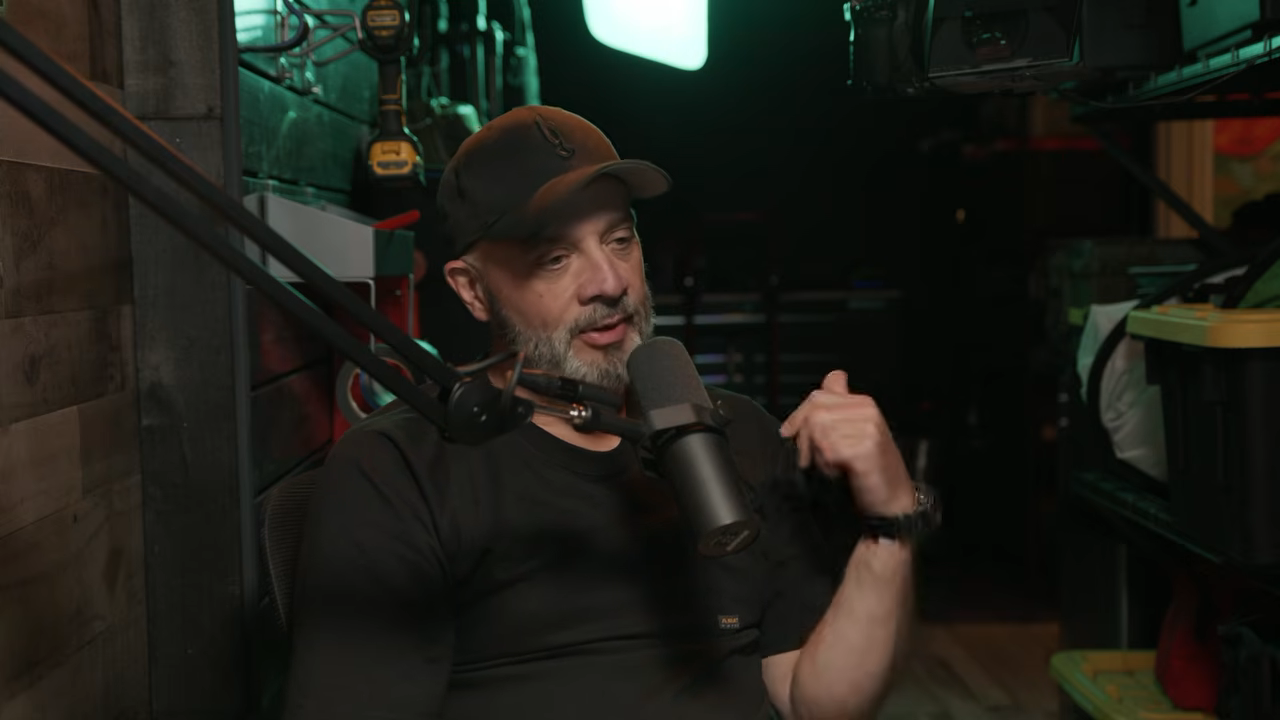
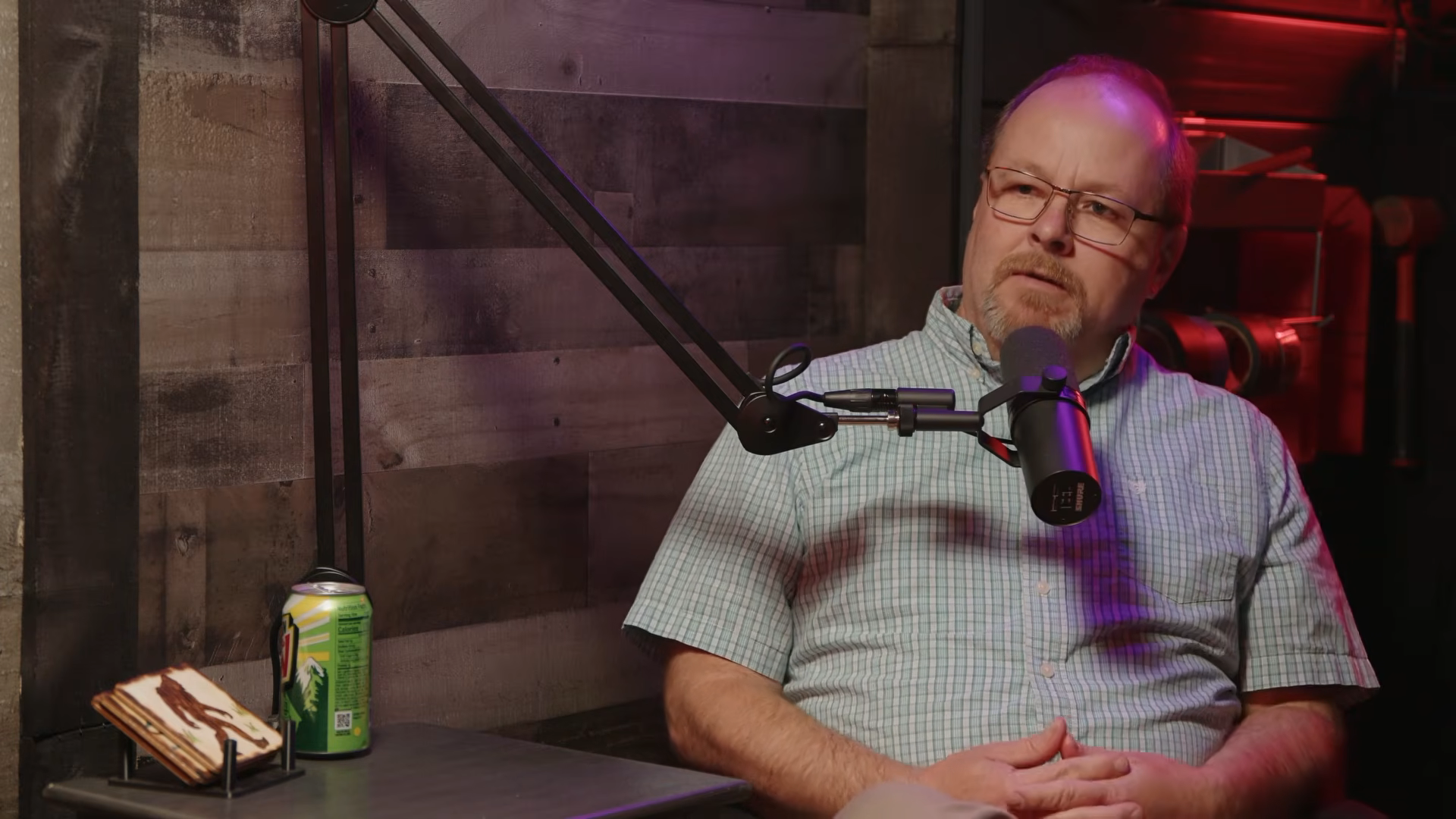
James Blevens did not take a traditional path into law enforcement. Growing up in rural Virginia, he started as a junior member of fire and rescue before spending four years working in a trailer factory. To get his foot in the door at the Washington County Sheriff’s Office, he actually had to take a pay cut. He spent his early years working as a jailer, a role he believes is the best training for any officer because it teaches you how to communicate with the people you will encounter most often on the streets. Eventually, his career took him from the jail to patrol and then into deep investigative work where he spent the majority of his three decades in service.
“If I don’t give you this job today, what are you going to do? I said, ‘Well I’m gonna be back knocking on the door the next time.’ and he said ‘Okay.'”
The Battle in the Living Room
The most harrowing moment of Blevens’ career did not happen on a dark highway or in a police station, but inside his own home while he was sick with the flu. A woman he had helped previously on a domestic call burst through his door, fleeing her husband who was armed and determined to kill her. Within seconds, the husband broke in and a fourteen shot gun battle erupted in the living room. Despite being shot in the right arm, Blevens returned fire, hitting the suspect twice and forcing him to flee. Both Blevens and the woman survived the ordeal, though the shooter was later sentenced to only fifteen years in prison.
“He come to that doorway and he’s shot again while I’m getting my pistol out. I turn around and I come up and I start shooting and he is closer than me and you are right now.”
The Toll of the Shadow
Beyond the high-profile shootouts, Blevens’ career involved intense work with the Secret Service and cases involving internet crimes against children. He assisted in details for multiple presidents and helped secure a 1,200 year sentence for a predator, but the nature of this work comes with a heavy price. Blevens speaks candidly about the “numbness” that sets in for investigators and the reality of PTSD in rural policing. Unlike veterans who may leave their trauma on the other side of the world, small-town officers often have to drive by the scenes of their most difficult cases every single day while going to the grocery store.
“Law enforcement officers have to drive by their traumas every day. You still live in Washington County and you drive by places where you’ve seen things or had to do hard cases.”
Want to hear more about the 1,200 year sentence or the time a Secret Service agent had a “number two” emergency in a presidential motorcade? You won’t want to miss the full interview with Captain Blevens.