
The Case, the Color of Corruption, and What We’re Asking For
“Eastern Kentucky is the white collar crime capital of the world.”
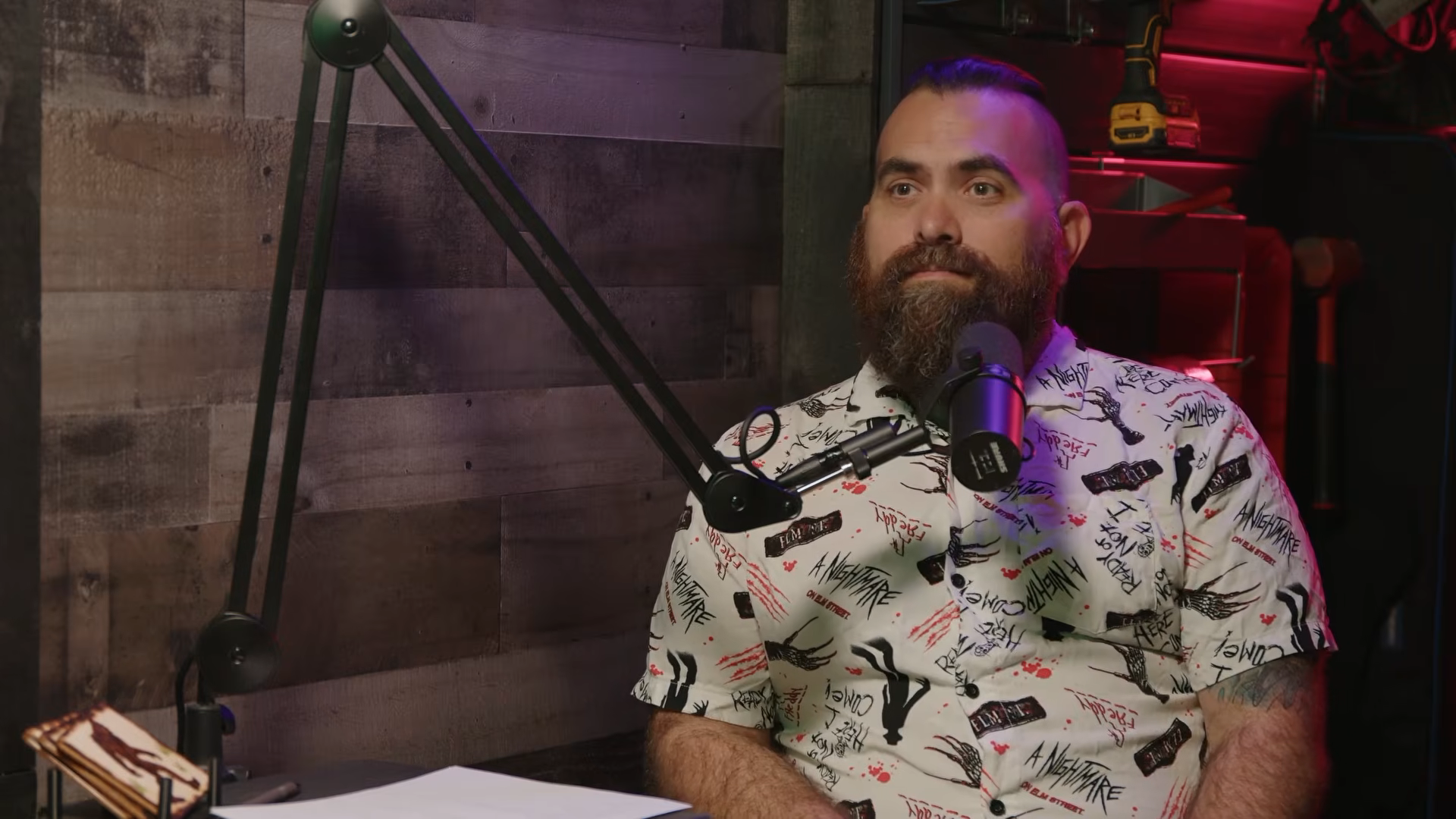
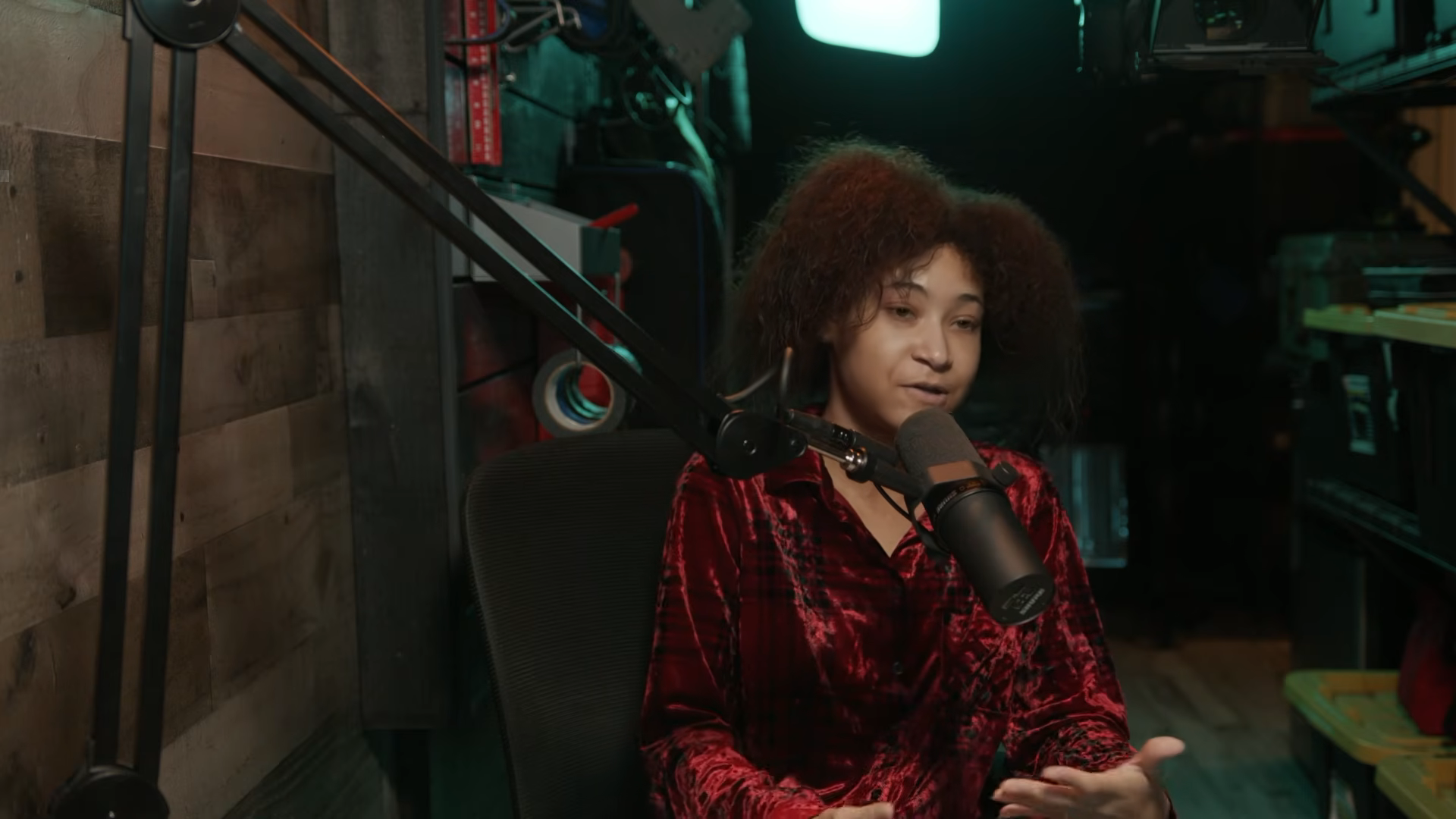
In this episode, Creepalachia dives into Letcher County’s tangled web of power, money, and fear. The conversation centers on high-stakes questions: how did a sheriff’s office and courthouse become so closely tied to allegations of misconduct, coercion, and cover-ups? Elizabeth lays out the landscape—the culture of the courthouse, the people who’ve been both prosecutors and enforcers, and the chilling reality that victims feel unheard even when there are formal complaints and depositions in play. The panel reflects on depositions, the shooting in Judge Mullins’s chambers, and a broader pattern of how cases get shaped by those with power, money, and influence. As the group notes, “We need forensic accountants” to untangle the finances behind a town that’s seen a long history of questionable decisions and overlooked complaints. This section paints the backdrop: a small county, big questions, and a call for independent eyes to finally reveal the truth.
Voices from the Ground: Trauma, Resilience, and Real-Life Struggles
“We need forensic accountants.”
Tya’s testimony anchors this segment—her personal journey through addiction, child welfare, and a system that often feels designed to keep people entangled. She describes a lifetime of encounters with officials, clinics, and pre-trial diversion programs that felt more like traps than pathways to freedom. The chat turns to the ways trauma compounds poverty, addiction, and legal entanglements, and how those in Letcher County struggle to reclaim footing—especially when every step forward seems shadowed by surveillance and monitoring. Elizabeth follows with her own story of resilience: returning to school, earning degrees, and building a platform to document the truth. Their conversations reveal the toll of a system that can seem impenetrable and slow, but also the power of communities to lift each other up through open dialogue, media attention, and grassroots organizing. The segment closes with a hope that independent voices can help dismantle cycles of harm and create safer paths for survivors.
Rebuilding, Accountability, and a Path Forward
“This is prison for profit. It’s programming for profit because each of those classes you have to pay to take those classes.”
If Section 1 exposed the problem and Section 2 highlighted the human cost, Section 3 lays out the plan for change. The conversation zeroes in on accountability, transparency, and practical steps survivors want to see: forensic accounting to audit funding, independent investigations, and non-traditional support networks that aren’t tethered to the same local power structures. Lexi’s Place emerges as a concrete, hopeful initiative—a self-sustaining space where survivors can access housing, child care, and community resources without the layers of red tape that have stymied them for years. The panel emphasizes the importance of credible, non-governmental support and a collaborative model that prioritizes safety, dignity, and autonomy. As they rally around the idea of a region-wide network of creators, advocates, and volunteers, they push back against the narrative that “nothing can be done.” Change is possible, and it starts with listening, documenting, and building something that outlasts the corruption they’re documenting.
If you want the full experience: the voices, the details, and the moments that sparked this conversation—watch the original video. You’ll hear the stories, see the faces behind them, and get a sense of why these conversations matter now more than ever in Appalachia. Long live Appalachia.