
The Hard Truths of Rural EMS
“There is a huge provider shortage, and we need good leadership to fix it.”
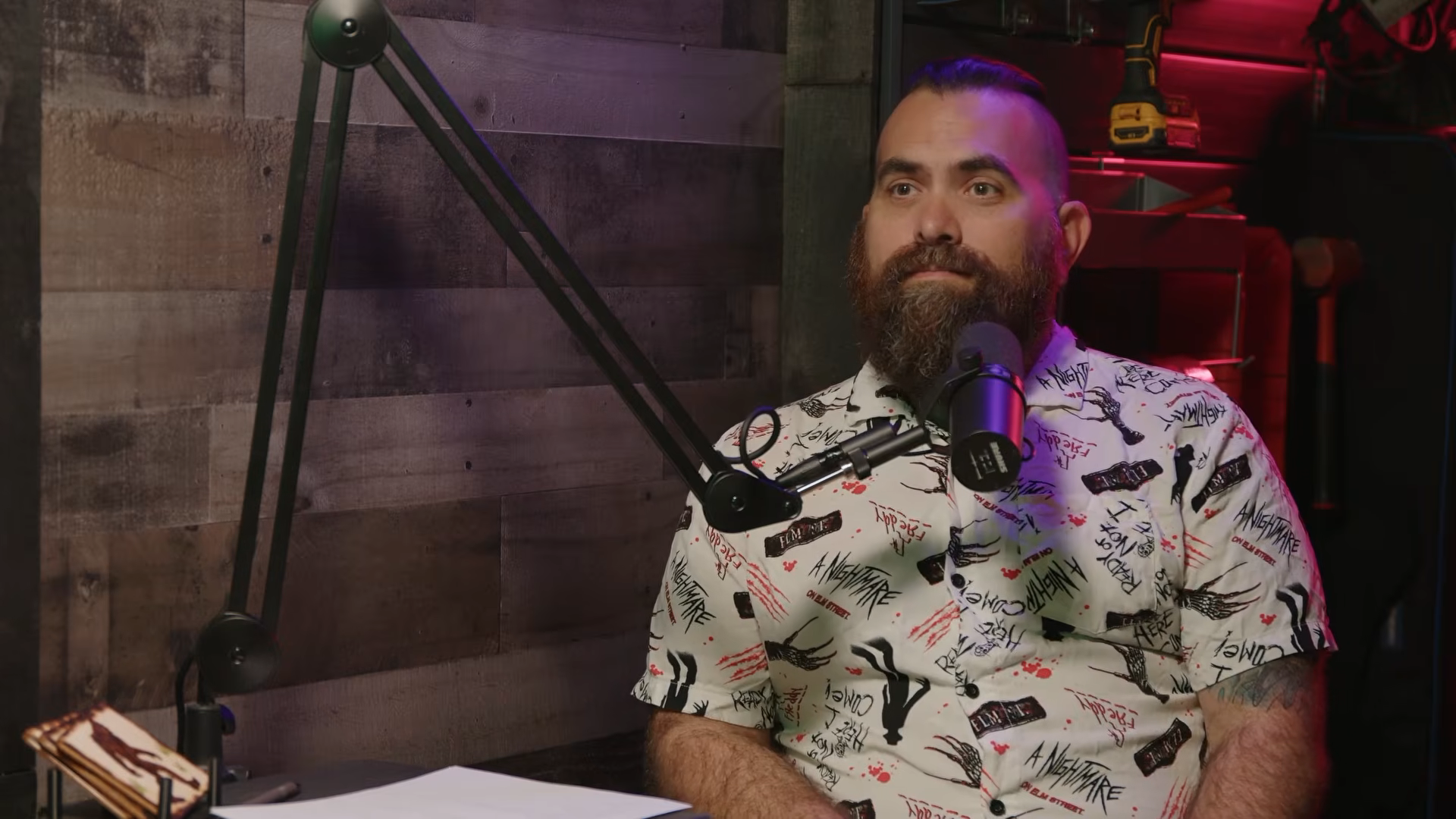
In this chat with the EMS crew from Stat Ambulance, the everyday grind of rural emergency services comes into sharp focus. The guys paint a picture of a system stretched thin: fewer units, higher operating costs, and reimbursement that doesn’t keep pace with reality. “Every week… you take 50 calls, but you’re paying for eight trucks and everything else,” one teammate explains, breaking down the math of payroll, fuel, and insurance. And when a big call ties up multiple ambulances, the financial hit is real, with supplies and payroll draining the week even if the patient’s okay in the end.
But it’s not all numbers. The crew stresses that without EMS, “we would go back to waiting on the funeral home to show up with the hearse.” The business of saving lives isn’t glamorous, but the stakes are daily, and the stress is real. Their take on privatized vs. county-run models, subsidies, and the role of government shows how tangled the funding web is—and why leadership that understands the field is essential.
The Human Side—Why They Do It
“I wanted to be a servant. I wanted to serve my fellow man.”
Beyond the budgets and the wheels, the core of the conversation is personal. Tyler, Nick, and Jonathan—seasoned EMTs with decades of calls—share what keeps them going. They talk about the moments that matter: the critical, life-changing rescues, and the quieter, human moments when you’re there for someone on their worst day. The work isn’t just about medical know-how; it’s about presence, hope, and faith in the human capacity to endure.
When the crew recounts a hillside ATV crash with a life-changing head injury, the tone shifts from policy to humanity. Treating patients on a hillside while waiting for an ALS unit, sharing progress updates with a family, and seeing a patient walk away from a traumatic event—these are the moments that remind them why they stay up late, train hard, and come back to the job tomorrow. And there’s a stubborn optimism, too: a belief that with teamwork, even the toughest calls can end with a hopeful outcome.
Building a Path Forward—Leadership, Collaboration, and Community
“Lead with your team, not behind them; you listen to what they need.”
What will it take to safeguard EMS in rural areas? The crew points to three practical pillars: leadership that truly understands fieldwork, collaborative structures that bring EMS, fire departments, and county officials to the table, and creative funding that keeps ambulances rolling without draining the communities they serve.
They highlight the value of local associations and multi-agency dialogue as a way to share strategies, align goals, and push for sensible policies. The idea is simple but powerful: when leadership treats frontline workers as partners, solutions follow. In their world, “there is no blanket solution” because each county has its own quirks and needs. But with open discussion, shared resources, and a willingness to adapt, communities can protect, and even improve, their EMS coverage.
If you want the full, in-depth picture straight from the people who live it, this sit-down with the rural EMS crew is a must-watch. It’s a candid, human-centered conversation about the cold realities of funding, the warmth of the EMS family, and the hard but hopeful work of keeping rural Appalachia covered when every mile matters. Grab your headphones, tune in, and hear why they stay in the game—long live Appalachia.