
The Cherice Gwinn-Stephens Case — A West Virginia Mystery Still Waiting for Peace
In the early 1990s, Cherice Gwinn-Stephens vanished after leaving a routine shift at Spartan Sporting Goods and heading toward a life that seemed to be moving in a familiar pattern. Mark and Courtney walk us through how Cherice, born in 1970, moved around Bolt and Smith Mountain Lake, dated Norman, and eventually disappeared after a lunch with a friend. The case quickly grew strange: a car that reappeared years later, family concerns, and a church septic-tank rumor that wouldn’t quit. The story threads through a 98-acre farm, a missing Dodge Daytona, and a church letter that asked for help in a bizarre search for clues in a septic tank. Despite searches that included a bone found in a building connected to Norman’s family and reports of a former principal in the mix, no conclusive evidence has surfaced to bring Cherice home or to definitively name a suspect.
What sticks out in this deep dive is the sense of disbelief at the timeline and the way small-town life—neighbors, churches, and familiar places—becomes a labyrinth when someone goes missing.
“There’s others out there that know where she is, but they’re scared to speak.”
The hosts emphasize the human cost: a father who passed away before resolution, and a family stuck in limbo waiting for closure that may never come. It’s a reminder that in true-crime, you’re often chasing quiet whispers in a crowd of louder rumors.
Gretchen Fleming — A Parkersburg Mystery with a Modern Twist and FBI Touches
Gretchen Fleming’s disappearance in December 2022 jolted Parkersburg and surrounding areas. Her grandmother dropped her off at work, and what began as a typical day unraveled into a mystery as hours turned into days with no word from Gretchen. The trail follows a bar night at the My Way Bar and Lounge, a suspicious exit with a friend who left behind the purse, and a cascade of leads that included a former police officer named Preston Pierce (also known by a handful of aliases) who’s been a central figure in the case. The story blends surveillance video, a mysterious last seen moment, and a long, unresolved search that culminates in a high-profile FBI presence years later. The family and community kept the case alive with tips, door-knocking, and relentless public interest, even as officials pursued leads that have yet to yield a definitive resolution.
“There is a $100,000 reward to anyone who is able to solve the case.”
What makes this case compelling on the show is the way Mark and Courtney pull back the curtain on the timeline, the role of social media and online chatter in keeping a case alive, and the ongoing vacuum where answers should be. They also highlight a real-world tension in missing-person cases: how far the authorities go, what gets shared publicly, and how families ride the line between hope and heartbreak as investigations evolve.
The Mad Butcher of Fayette County — WV’s Most Persistent Legend with Real People Behind It
The Mad Butcher saga spans several decades and several victims, with Ernest Gwyn, Sammy Smith, Mike Rogers, Lou Lewis, Shirley Jean Arthur, James Lee Haynes, and Bob Mackey (Mac) as the names that float through the lore. The hosts map out the terrain of Fayette County’s mountains, the “four-minute lunch” hotspot, and the eerie, almost ritual-like pattern of disappearances and grisly discoveries. They walk through each victim’s timeline—Gwyn’s last known movements, Smith’s disappearance near the four-minute lunch, Rogers’ Christmas-light plan that never came to fruition, and the grisly 13-piece discovery tied to a set of railroad tracks. The case also threads through a very human element: the families left behind, the potential links to local figures (including a former police officer), and the frustrating ambiguity of whether these cases were connected by a single killer or by a chilling coincidence of place and timing.
“The Mad Butcher to me is just one of the cases that everyone clings to in Southern West Virginia.”
The discussion doesn’t pretend to have all the answers, but it leans into the unsettling possibility that one or more unsolved crimes from the era could be tied to a killer who knew the terrain better than anyone.
The Mad Butcher case remains a touchstone for Southern West Virginia crime lore. It’s a stark reminder that some legends persist not because every question is answered, but because the stories survive in the memories of townspeople, investigators, and families who never stopped seeking justice or closure.
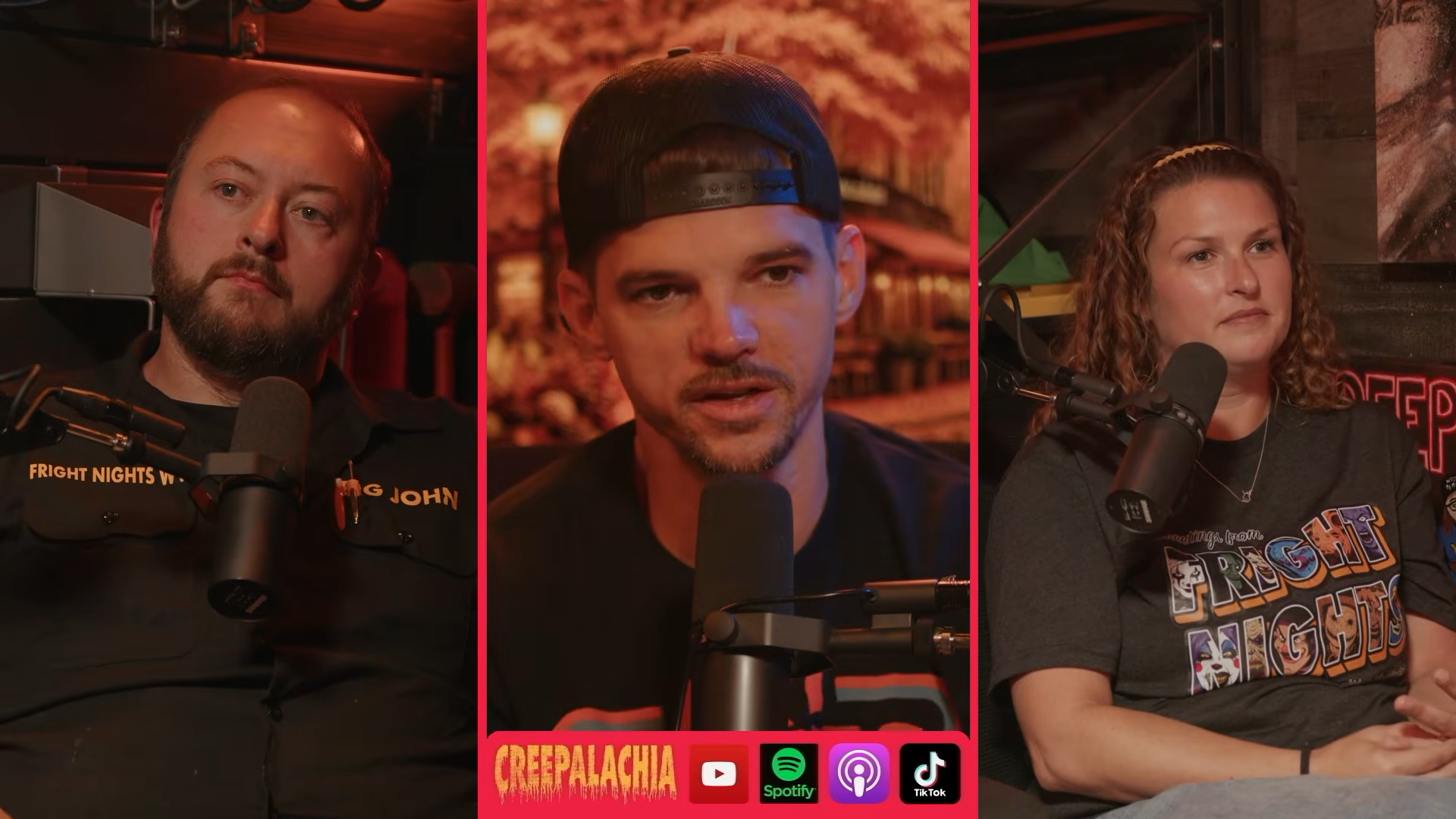
If you’re into true crime that blends local history, ongoing investigations, and the kind of intimate, in-the-trenches reporting that only comes from people who live with these stories, Mountain State Mysteries brings it. Mark and Courtney bring a mix of respect for victims, candid honesty about the process, and a shared drive to give families a voice when the system isn’t done speaking yet.
Note: If you’re reading this and you have tips or information about any of these cases, please reach out to local authorities in the respective areas. Your tip could help bring answers and peace to families who deserve it.