
The System We Live With — It’s Bigger Than Any One Agency
“The system is broken and underfunded, and there’s a lot to fix—from CPS to the courts to privatized foster care agencies.”
In this episode, the panel lays out a blunt reality: the foster care crisis in West Virginia isn’t just about one misstep or one bad day. It’s a sprawling, layered problem that touches CPS hotlines, court structures, private placement agencies, and the families trying to make it work. The speakers acknowledge that everyone enters child welfare with good intentions, but human error, capacity limits, and funding gaps create a system where a lot of kids end up bouncing between doors, rather than finding a stable place to grow. A central thread: the way cases are handled often centers on policy and processes, not the unique needs of each child. And when a system keeps defaulting to “the way we’ve always done it,” kids pay the price.
Relationships as the Real Engine — Why Connection Beats Confusion
A standout theme from the talk is that the most powerful tool in child welfare is relationships — not just where a child lives. The panel argues that sustaining connections to biological family, friends, mentors, and caring adults helps kids learn how to form healthy relationships long after they “age out.” This perspective emphasizes: even if a parent is not ready to be a parent, meaningful, supervised contact can offer emotional stability and a template for future interactions, jobs, and romantic relationships.
“Fostering relationships, even when they’re tough, helps the child in the future with their own relationships.”
The discussion nods to a national CASA study that aligns with this: “children fare better with their biological families,” and that nurturing those connections can shape a child’s approach to relationships later in life. It’s not about avoiding hard decisions; it’s about making room for healthy bonds while still safeguarding the child’s best interests. The idea isn’t naive optimism — it’s a strategy to build life skills, resilience, and trust in a system that often feels impersonal.
A Call to Action — Accountability, Empathy, and Real-World Solutions
“If we want real change, we have to fix the funding, staffing, and the culture around visitation and treatment.”
Toward the end, voices converge on a practical but bold point: accountability must start with the system itself. The panel calls for better data, clearer guardianship roles, more consistent practices, and a willingness to listen to children’s own experiences. They push for therapy to be an integrated, stigma-reducing part of growing up in foster care — not a last resort or a checkbox. And they stress that supervised visits aren’t just formalities; they’re opportunities to model healthy boundaries and provide a space where kids can process complicated feelings.
The conversation also dives into the realities of the money side of things — subsidies, subsidies, and more subsidies — and asks hard questions about how funding shapes decisions. The underlying message is clear: if we want better outcomes for kids, we need a system that supports caregivers, protects children, and honors the emotional work of everyone involved.
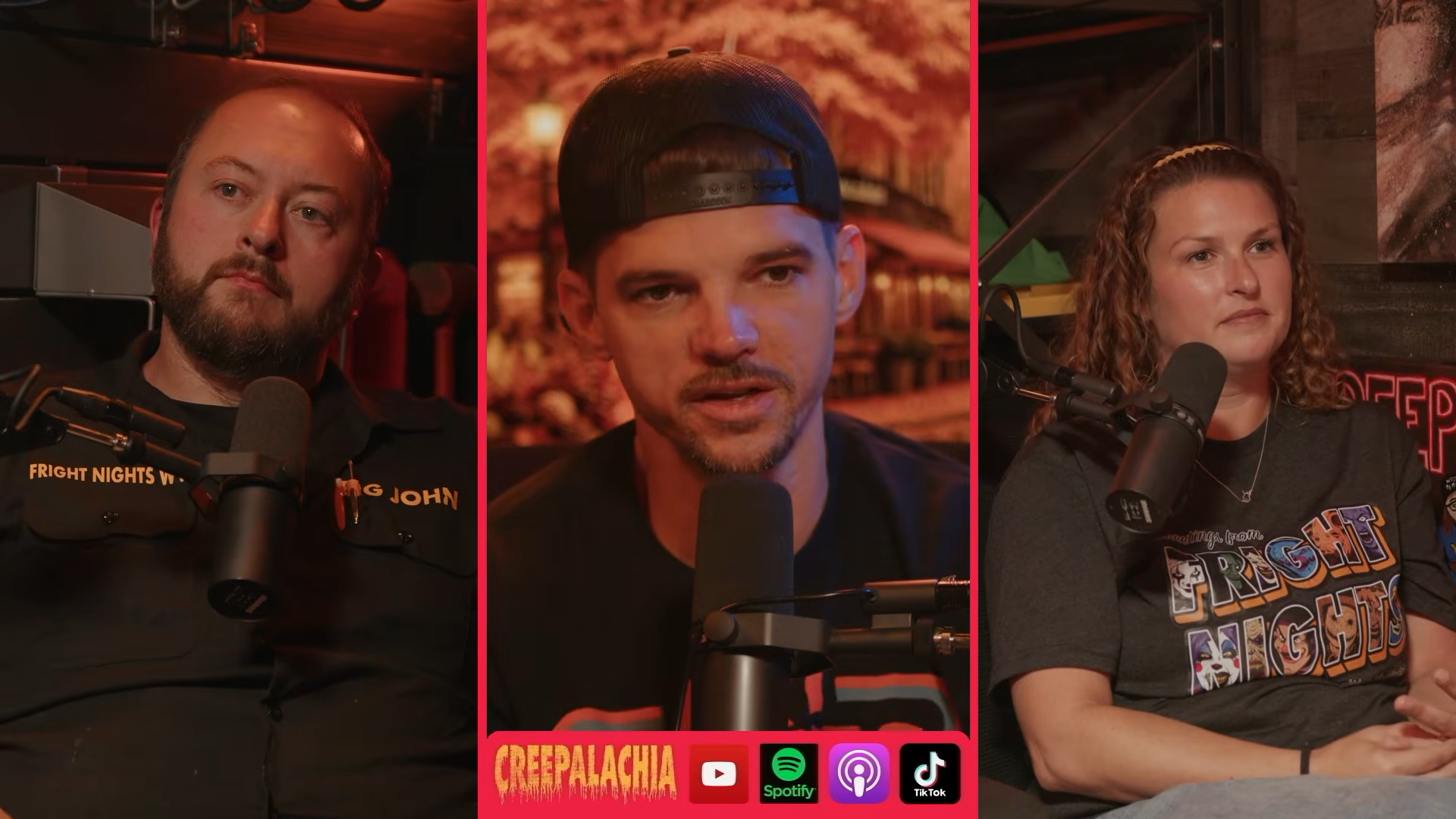
Want to hear the full, unfiltered conversation? This panel is a frank, multi-perspective look at why these issues aren’t simply solved by a single policy or one brilliant idea. It’s about shifting culture, embracing empathy, and choosing the best path for each child’s future.