Life on the Edge of a Footbridge
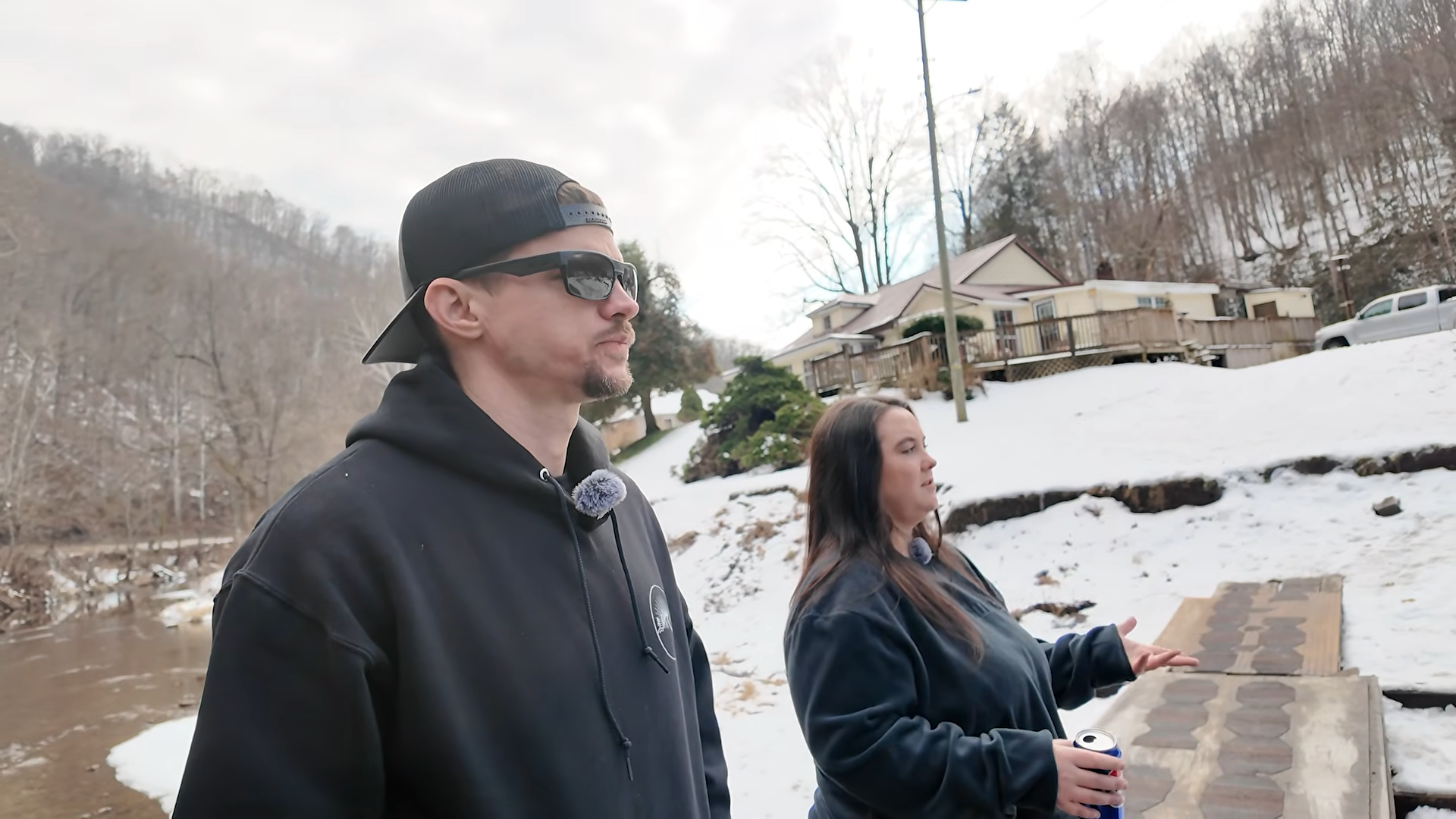
In Gary, West Virginia, the remnants of a February 2025 flood are still very much a part of daily life. For residents like Tracy and Herb, the loss of their “drive bridge” turned simple chores into exhausting marathons. Herb, a retired miner who spent 43 years underground, now struggles with black lung and failing eyesight. Because their bridge was washed away, they have to haul heavy propane tanks and groceries across a makeshift plywood footbridge using dollies and four-wheelers. It is a precarious situation where a single fall could be a death sentence because emergency vehicles simply cannot reach them.
“Getting groceries over here, he can’t breathe. He’s lost his eyesight… he has black lung, silicosis, and he can’t breathe. I find him out in the yard after he goes over and back.”
Welcome to Gilligan’s Island
Across town, Tara Cummings and her neighbors have found themselves living on what they jokingly call “Gilligan’s Island”. When the flood took out their bridge, they were forced to “illegally” drive their cars down the middle of the railroad tracks just to get supplies like food and heating. Now, their only way in or out is a steep, rutted-out mining road that sits at a 45 degree angle and turns into a sheet of ice in the winter. To make matters worse, their water line is a “blue line” running openly across the road; when it freezes, the whole neighborhood goes without water.
“Actually we didn’t instantly walk, we illegally took our cars… we needed food and water, so we got out that way. Call it Gilligan’s Island now.”
The Thousand Fingers of Blame
Fixing these issues isn’t as simple as just pouring concrete. Many of these bridges were built decades ago by US Steel to haul coal, but they were never officially deeded to the city or the state. This “red tape” leaves residents stranded because FEMA and local governments are hesitant to fund repairs on property with no clear owner. Meanwhile, Mayor Robert Will and the city council are grappling with a “dilapidated” infrastructure that produces water so full of iron it turns black. While some want to point fingers at local officials, the Mayor notes that the problems are rooted in eighty years of coal town history that was never meant to last this long.
“When you get into the position that the citizens of Gary are in, then everybody wants to point the finger. And you go to a council meeting and somebody’s wanting to blame somebody… when really you need a thousand fingers.”
Witness the Resilience of Gary: The spirit of Appalachia is built on neighbors helping neighbors, but Gary is reaching a breaking point. To see the actual conditions these families are living in and hear more about the plan to build a new bridge, you need to see the full story in action.