The Road to New Vrindaban
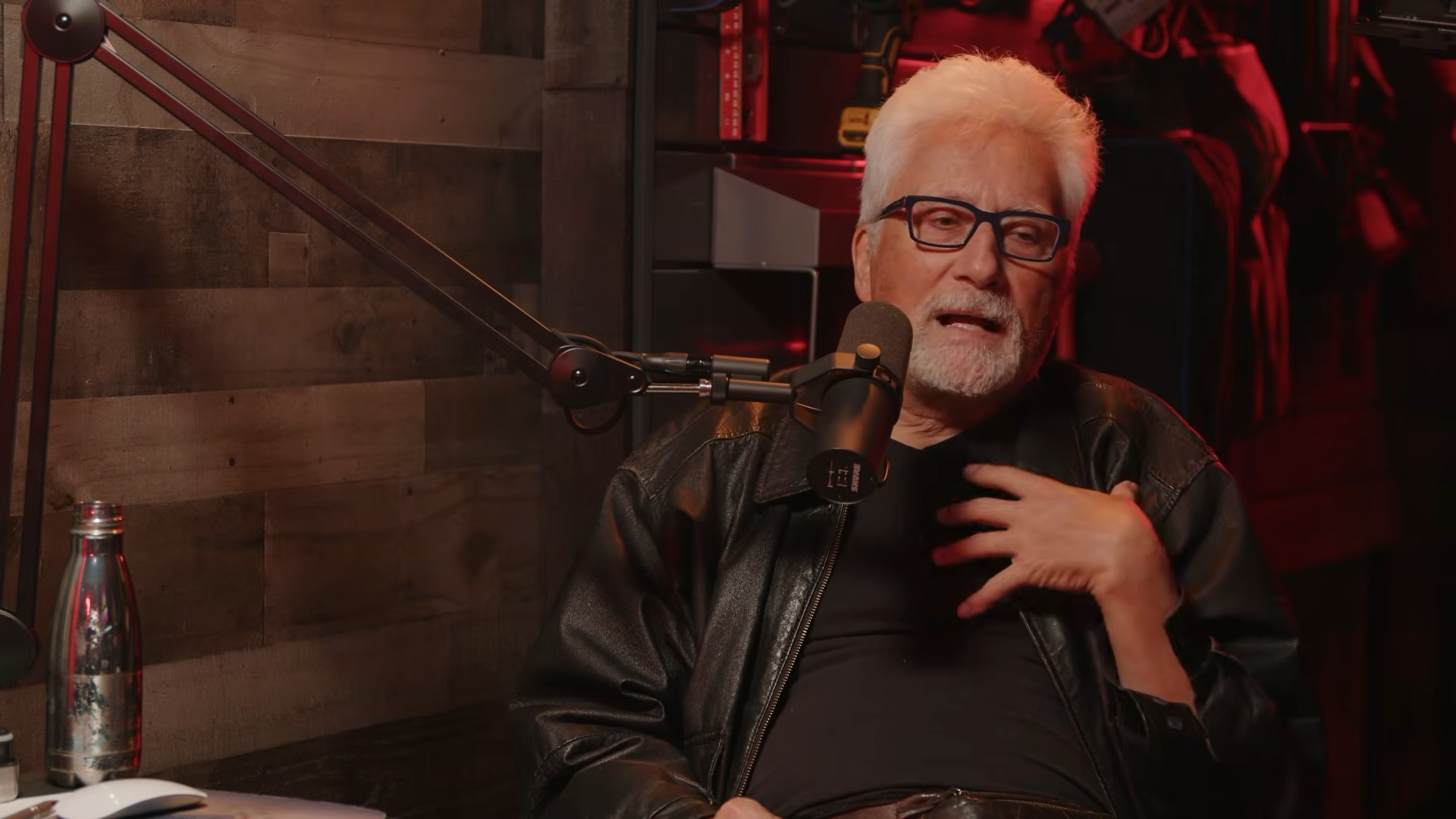
Henry Doktowski was a music major from New Jersey with a scholarship to study in Kansas, but he was looking for something deeper than a degree. After exploring transcendental meditation and vegetarianism, he took a detour to Moundsville, West Virginia, to see a “Palace of Gold” being built by the Hare Krishnas. What he found was a group of people living a life of total renunciation. They slept in sleeping bags on the floor, used holes in the ground for toilets (which they jokingly called an Appalachian bidet), and dedicated every waking hour to their spiritual master. For Henry, the intensity was part of the draw.
“Of all these spiritual groups, these guys were like the Green Berets. They were tough. If I was going to do something, I wanted to go all the way. I didn’t want to just dabble.”
Life on “The Pick”
Life in the community was a mix of intense labor and creative fundraising. While some devotees worked in the gardens or applied gold leaf to the palace walls, Henry discovered he had a knack for “the pick,” which was the community’s term for raising money out in the world. He started by selling “pope on a rope” soap and buttons at a papal visit, but he eventually refined a legendary technique using fake “citations.” He would approach couples at malls and playfully ticket them for “being with a pretty girl,” asking for a five dollar donation for charity. It was incredibly effective, as he once raised $150,000 in a single year using nothing but a citation pad and a bit of charm.
“I developed this technique where I’d approach a couple and say, ‘Excuse me sir, I’m sorry I have to issue a citation… for being with a pretty girl.’ They’d laugh and the wife would punch him, and then I’d ask for five dollars for charity.”
Pulling Back the Golden Curtain
Despite the music and the sense of community, things at New Vrindaban eventually took a dark turn. After 16 years, Henry left the movement and began a deep dive into the archives of the community’s leader, Swami Bhaktipada. What he found was a “criminal enterprise” that included murder conspiracies, racketeering, and systemic child abuse. Henry spent the next several years documenting these findings in a massive twelve volume series titled “Gold, Guns, and God”. Today, he views his work as a “sacred duty” to help other former members understand the truth of what happened and find a path toward healing.
“When I dug into things, I found trial transcripts to look through and interviewed many, many, many people. I said, ‘Oh my god, this place was like a criminal enterprise.'”
Want to hear the full, unfiltered story of the Appalachian bidet, the “pope on a rope” sales, and the dark secrets behind the Palace of Gold? You won’t want to miss the original interview.