
Roots of a Metalhead: West Virginia, Coal Heels, and a Love for Music
“I am from Logan County. Logan County: One of the heart and soul counties of West Virginia, in my opinion.”
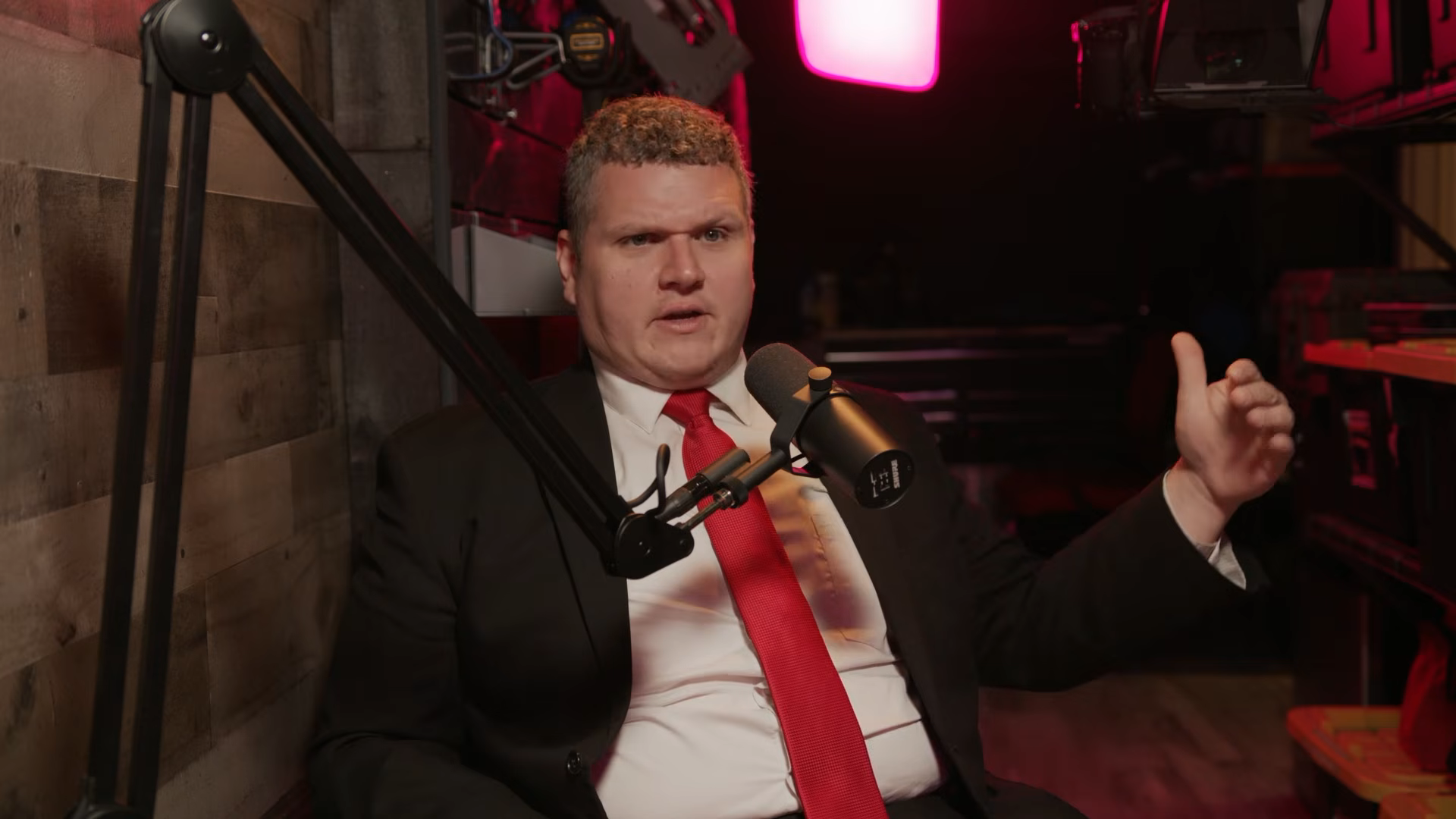
Growing up in a tiny Chapmanville town, OJ paints a vivid picture of a safe, tight-knit community where family, sports, and music weren’t just hobbies, but that’s how you lived. He explains how his dad’s union job as a coal miner shaped not just his upbringing but his values: hard work, loyalty, and a respect for the working class.
The early spark came when he grabbed a guitar in ninth grade, learning bass from a cardboard-and-songbook origin story and hustling to learn heavy riffs before the real instrument ever touched his hands. Little moments, tagging Insane Mind with a logo, the talent-show rush, and emulating Frank Bello from Anthrax, laid the foundation for a lifelong obsession with hard-hitting grooves.
Forging Byzantine: Mouth Riffs, Big Riffs, and a Stubborn Band Chemistry
“I will attach a sense of weight to them by adding a song title.”
The birth of Byzantine wasn’t a straight line. It started as New Family, evolved from two to four to five, and became the vessel for OJ’s drive to push beyond the local scene. A key ingredient: the way he works. Rather than revising in a notebook, he starts with “mouth riffs” and writes lyrics first, letting a song title shape the musical weight.
Collaboration later became the magic ingredient. Tony Roarb entered the scene as a catalyst for a more nuanced, jazz-inflected approach. Drummer Matt Wolf kept the momentum tight, and together they formed the core that would eventually define Byzantine’s signature sound: a groove-laden, technically intricate metal that fights its own gravity.
The bands’ evolution wasn’t just about sound; it was about the real life behind it. He recalls how lineup shifts, personal struggles, and even a brutal European tour taught them what it takes to survive in a scene where even a potential breakout can crash hard. The origin of the band’s name and the creative process behind the powerfully dissonant moments that fans remember, are all part of this long arc.
Resilience, Risk, and a Big Leap Forward: From Rough Seas to Metal Blade
“We crowdfunded that. I think it was a Kickstarter or Indiegogo… we raised a significant amount of money.”
Oblivion Beckons was recorded while the band was quietly breaking up, some real Fleetwood Mac in the studio energy, where OJ would come in and out as tensions required. It could have been a misstep, but instead it became a testament to their stubborn dedication and the raw, unpolished truth of a band pushing through.
The road back to A-list status wasn’t just about talent; it was about hustle. After Oblivion Beckons, Byzantine found renewed energy by crowd-funding the next record and leveraging savvy marketing from The Syndicate. The result: a stronger push toward national and international stages, culminating in a life-changing sign with Metal Blade Records after a legendary live showcase in Brooklyn.
The path wasn’t linear. There were missteps, personal battles, and moments of doubt, like Tony’s heart attack, band members navigating addiction, and the heavy toll of years on the road. Yet the band kept returning to music as therapy, a lifeline that kept their art alive and their audience growing. The arc from “unknown West Virginia metal band” to “signed, touring, and actively creating again” is a story of stubborn perseverance and creative reinvention.
This isn’t just a band story; it’s a blueprint for chasing a dream with your whole heart: despite wreckage, debt, and the occasional heartbreak. OJ’s reflections on Tourette’s, managing a successful career with a creative mind, and the importance of staying hungry even as life evolves, these moments ground the band’s music in real, lived experience. The result is a heavier, more intelligent metal this year that still feels unapologetically Appalachian in its roots.